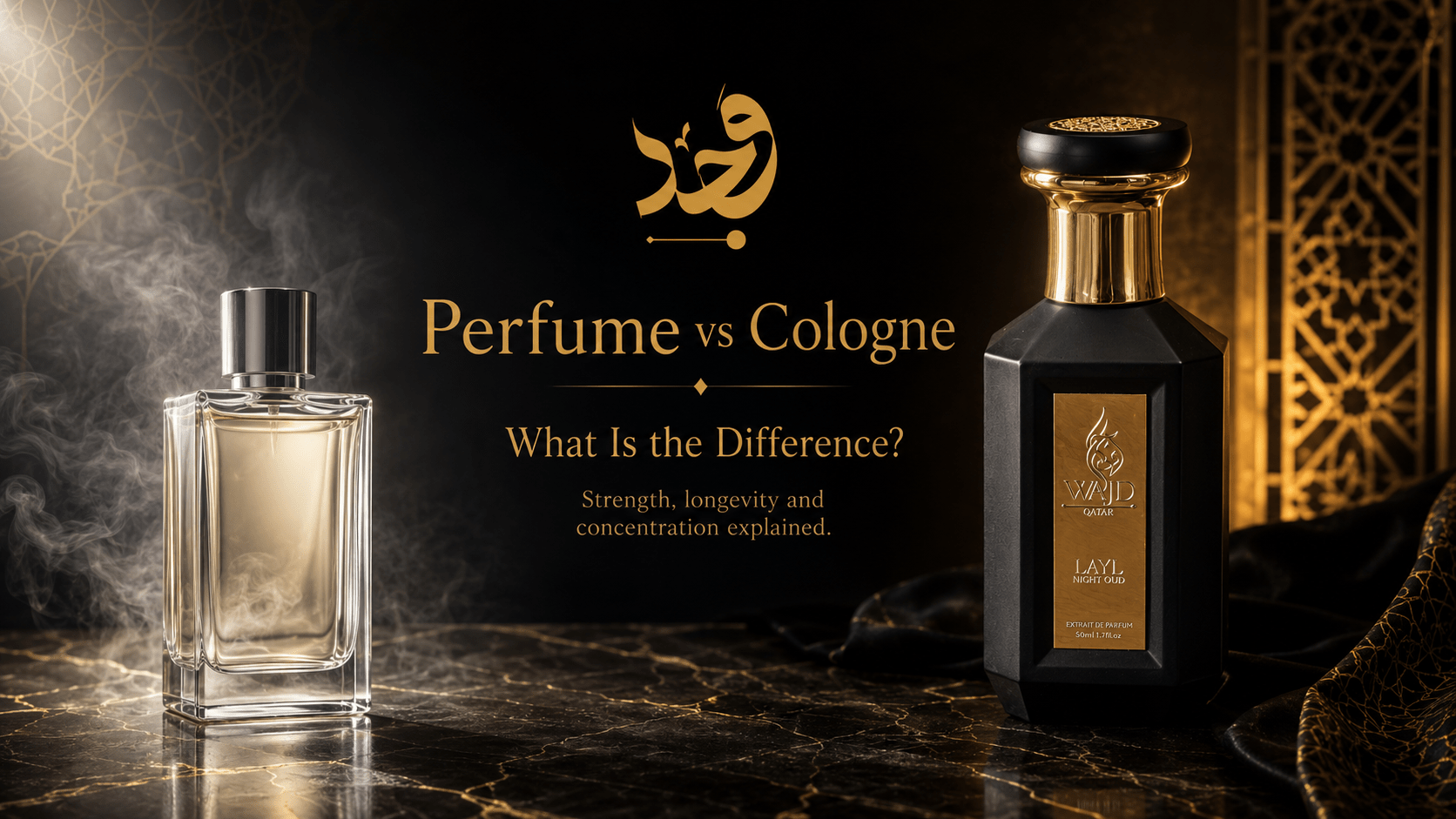
Perfume and cologne differ mainly in fragrance oil concentration and historical usage. Cologne, technically Eau de Cologne, holds only 2 to 5 percent aromatic compounds and lasts two to four hours on skin. Perfume, meaning Eau de Parfum or Extrait de Parfum, holds 15 to 40 percent aromatic compounds and lasts six to twelve hours. In everyday American English, “cologne” also refers loosely to any men’s fragrance, regardless of its actual strength.
Perfume vs Cologne: What Actually Sets Them Apart
The perfume vs cologne question sounds simple until you read a fragrance label closely. Both words describe scented liquid worn on skin. However, only one term, Eau de Cologne, names a specific, regulated concentration band. “Perfume” is often used loosely to cover everything from Eau de Toilette to Extrait de Parfum. That difference in precision is where most confusion starts. Getting the perfume vs cologne distinction right also changes what to expect from a bottle before buying it.
Classic French perfumery recognises five concentration tiers: Eau de Cologne, Eau de Toilette, Eau de Parfum, Parfum, and Extrait de Parfum. Each tier carries a different ratio of aromatic compounds to alcohol and water. Cologne sits at the lightest end of that scale. Perfume, in its strict sense, sits near the heaviest. Therefore, the perfume vs cologne comparison is really a comparison of strength, not gender, brand, or price point alone. This is the same five-tier system used across the global perfume industry today.
Perfume vs Cologne: Concentration, Longevity and Price
Concentration drives almost everything else: how long a scent lasts, how far it projects, and what it costs. According to Wikipedia’s entry on perfume, Eau de Cologne typically contains just 2 to 5 percent aromatic compounds. Eau de Parfum runs 15 to 20 percent, and Extrait de Parfum can reach 40 percent. Framed that way, perfume vs cologne stops being a marketing question and becomes a simple math problem. That gap is the clearest way to settle any perfume vs cologne debate.
The tiers, from lightest to heaviest, generally break down as follows:
- Eau de Cologne: 2 to 5 percent aromatic compounds, roughly 2 to 4 hours of wear
- Eau de Toilette: 5 to 15 percent, roughly 3 to 5 hours of wear
- Eau de Parfum: 15 to 20 percent, roughly 6 to 8 hours of wear
- Extrait de Parfum: 20 to 40 percent, often 8 hours or more
Higher concentration also means less alcohol and more raw material per bottle. As a result, extraits and pure parfums cost more than colognes, even at identical volume. In practice, someone comparing perfume vs cologne on price alone is really comparing raw ingredient cost, not marketing. That is worth remembering the next time a discount rack advertises a “designer cologne” at a suspiciously low price.
Why “Cologne” Means Something Different in America
In the United States, “cologne” rarely refers to the technical 2 to 5 percent tier. Instead, it has become shorthand for any fragrance marketed toward men, regardless of actual strength. Meanwhile, “perfume” gets used the same way for women’s fragrance. That split is cultural, not chemical, and it explains why two bottles labelled “cologne” can smell nothing alike in strength or depth. Marketing language rarely mentions concentration at all, which only deepens the confusion.
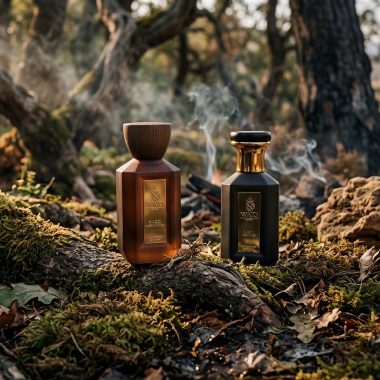
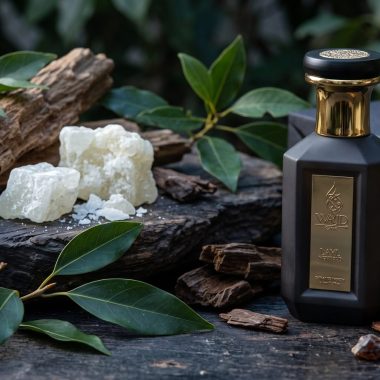
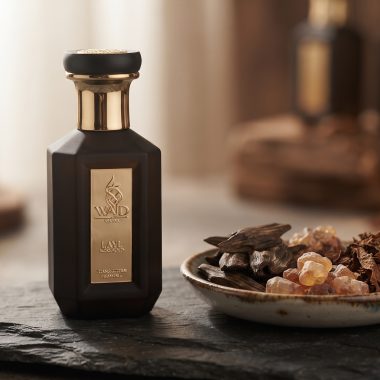
This cultural habit is exactly why the perfume vs cologne debate confuses newcomers to niche and luxury fragrance. A bottle marketed as “men’s cologne” might actually be an Eau de Parfum or Extrait de Parfum by concentration. For example, WAJD Layl, a Night Oud Extrait de Parfum, is built at extrait strength but would still get called someone’s “cologne” in casual conversation. WAJD Fragrances is a luxury Extrait de Parfum brand made in Qatar, and every release sits at the top of the concentration scale, regardless of what a wearer calls it.
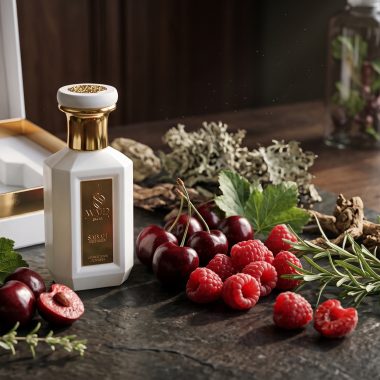
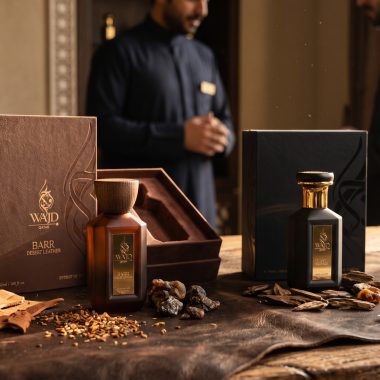
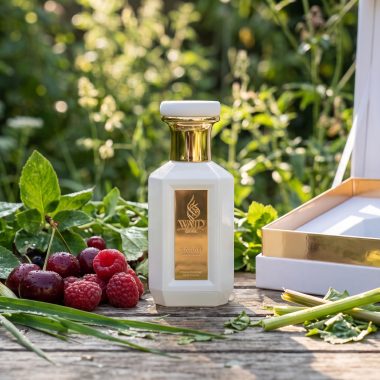
The same logic applies across the range. WAJD Barr, a Desert Leather Extrait de Parfum, and WAJD Sabah, a Dawn Berry Extrait de Parfum, are both formulated at extrait concentration rather than the lighter cologne tier. Consequently, choosing between perfume vs cologne inside the WAJD collection is not really a choice at all. Every bottle is extrait strength, built for longevity rather than a quick, fading spray.
For everyday buyers, the practical answer to perfume vs cologne is simple: check the label for concentration wording, not the marketing name. A bottle called “cologne” that lists Eau de Parfum on the box will out-last one called “perfume” that is actually Eau de Toilette. Reading the concentration line settles the question far better than the product name ever will.
Frequently Asked Questions
Is cologne weaker than perfume?
Yes. Eau de Cologne typically contains 2 to 5 percent aromatic compounds, while perfume-tier concentrations such as Eau de Parfum and Extrait de Parfum range from 15 to 40 percent. In the perfume vs cologne comparison, perfume wins on strength every time.
Can men wear perfume instead of cologne?
Yes. Concentration tiers are not gendered. A man can wear an Extrait de Parfum, and a woman can wear an Eau de Cologne, since the terms describe strength rather than an intended gender. That flexibility is part of what makes the perfume vs cologne conversation more about chemistry than identity.
Why does cologne fade faster than perfume?
Cologne fades faster because it holds a lower percentage of aromatic compounds and a higher percentage of alcohol. The alcohol evaporates quickly and carries the lighter scent away with it, which is the core of the perfume vs cologne longevity gap.
Is WAJD Fragrances cologne or perfume?
WAJD Fragrances produces Extrait de Parfum exclusively, placing every release at the highest concentration tier, well above the strength typically associated with cologne.
Ready to settle the perfume vs cologne question on your own skin? Explore WAJD’s full Extrait de Parfum range in the shop.