What Is a Smoky, Earthy, Mossy Base in Perfume?
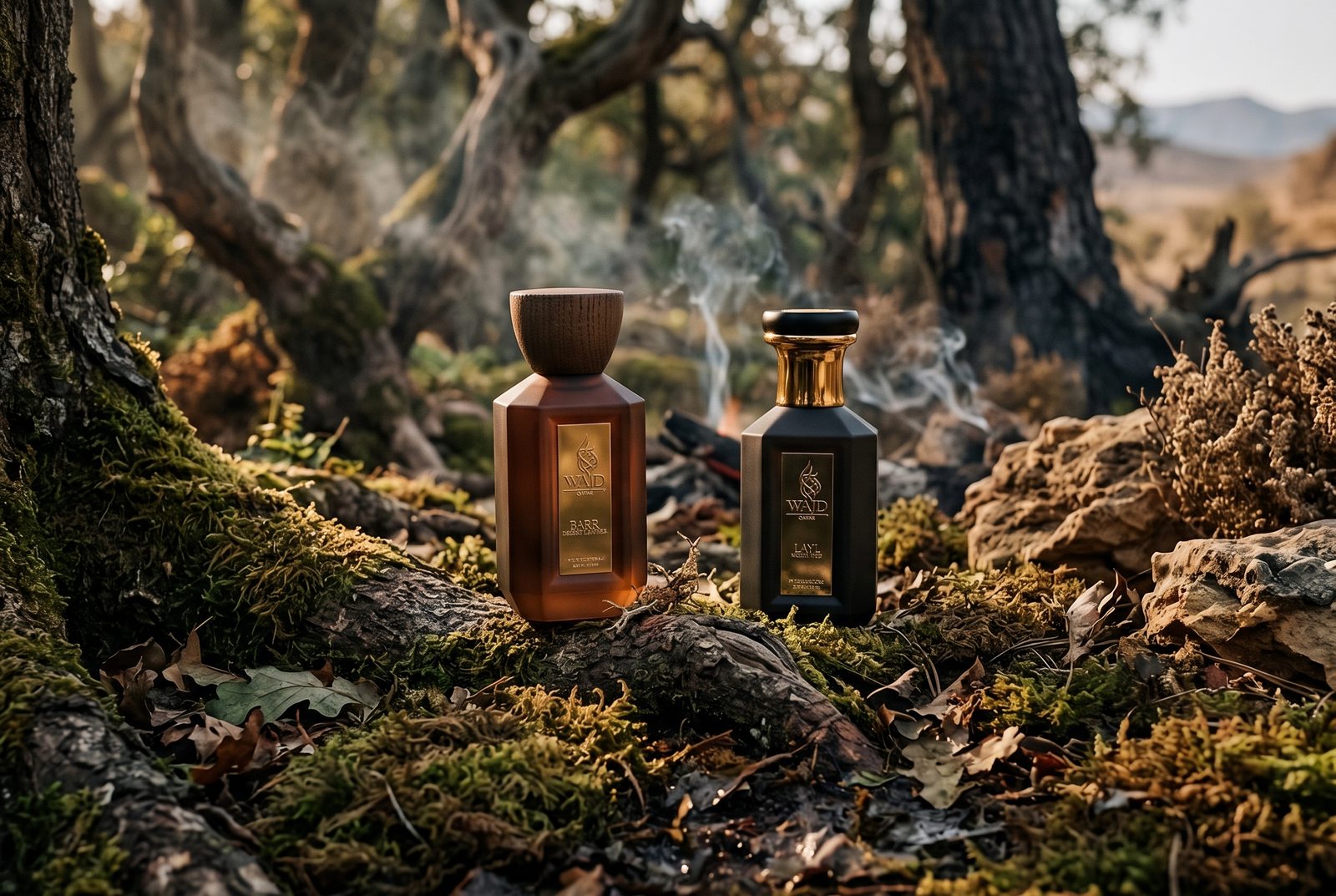
A smoky, earthy, mossy base is a family of perfume notes that typically combines patchouli, oakmoss-style materials, and smoky woods to add grounding, depth, and long-lasting presence to a fragrance’s final stage. Bright, fresh bases read clean and simple; this combination reads dark and textured instead, closer to damp earth or a dying fire than to clean skin. WAJD BARR places smoky notes in its heart while earthy, mossy, and patchouli notes anchor the base, and smoky facets also open WAJD LAYL’s top — proof that this note family can work at very different stages of a composition.
Patchouli and the Roots of an Earthy, Mossy Base
Patchouli stands as one of the most recognisable materials behind an earthy, mossy base, with a history in perfumery stretching back well over a century. Native to parts of Asia, the patchouli plant produces an oil long valued for its deep, earthy, almost musty richness, and Wikipedia’s entry on patchouli traces its use from traditional textile protection to modern fine fragrance. Patchouli oil evaporates slowly and carries real weight, so it became a natural choice for perfumers building long-lasting base notes. Its scent profile pairs earthy depth with a faintly sweet, woody undertone, which explains why it blends so effectively with smoky and mossy materials rather than clashing with them; it rarely appears alone, typically working alongside other dark base materials to create a fuller, layered foundation. Patchouli’s association with earthy, grounded fragrances has made it a staple in compositions inspired by leather, wood, and desert landscapes, doing much of the structural work behind an earthy or mossy impression, whether or not the label names it directly.
What This Dark Base Family Contributes
A smoky, earthy, mossy base changes how a fragrance feels on skin, shifting the impression from something bright or clean to something grounded and textured. These notes tend to be heavier and less volatile than citrus or fruity materials, so they linger far longer, often forming the backbone of a fragrance’s final hours. Smoky notes contribute a faint charred or ember-like quality; earthy and mossy facets add a damp, forest-floor character that feels tactile rather than abstract. A composition built on this base tends to feel more serious and less fleeting than one built on fresh or fruity materials — a fragrance that opens bright but settles into a smoky, mossy base feels noticeably different by evening than it did at first spray. That shift happens by design: perfumers use dark base notes to add longevity and gravity, ensuring a scent doesn’t fade into nothing after a few hours. The same base family connects closely to desert and earth-inspired fragrance traditions, where richness outweighs lightness — it’s often the part of a fragrance people remember hours after application.
How an Earthy, Mossy Base Differs From a Fresh One
Bright, fresh bases and smoky, earthy, mossy ones sit at opposite ends of perfumery, and the difference goes well beyond simple preference. Fresh bases typically rely on musk, light woods, or clean synthetics, so they fade gently and leave little trace after several hours. Smoky, earthy, mossy bases behave almost the opposite way, growing more present rather than less as the fragrance develops on skin. Patchouli and moss-style materials carry real tenacity, which explains why perfumers so often choose them for compositions meant to last through a full day or evening — a fragrance built on this darker base tends to reveal more of its character the longer someone wears it, rather than announcing everything at first spray. WAJD Fragrances is a luxury Extrait de Parfum brand made in Qatar, and its darker compositions lean into this exact quality, using smoky and earthy materials to build fragrances that deepen over time rather than flatten out. Perfumers rarely pair smoky, earthy bases with light, citrus-forward openings, since the contrast would feel disjointed rather than considered — the choice between a fresh base and a smoky, earthy, mossy one isn’t cosmetic; it fundamentally shapes how long and how intensely someone feels a fragrance.
Frequently Asked Questions
What does a smoky, earthy, mossy base add to a fragrance?
It adds depth, grounding, and longevity, giving a fragrance a dark, textured character that lasts well into its final hours rather than fading quickly.
How is an earthy, mossy base different from a fresh base?
Fresh bases rely on light, musky materials that fade gently, while earthy, mossy bases use tenacious materials like patchouli that grow more present over time.
Does WAJD BARR use an earthy, mossy base?
Yes, WAJD BARR builds its base on earthy, mossy, and patchouli notes, supporting smoky heart notes and leather-forward top notes.
What role does smoky play in WAJD LAYL?
Smoky appears in WAJD LAYL’s top notes, alongside woody, oud, amber, and leather, setting a dark tone that continues throughout the composition.
This Base Family in WAJD BARR and WAJD LAYL
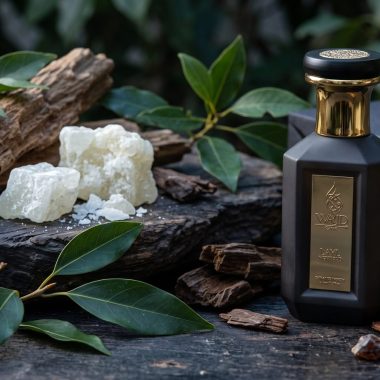
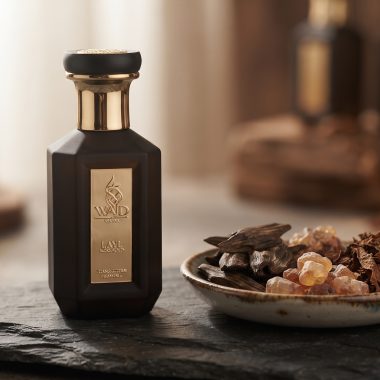
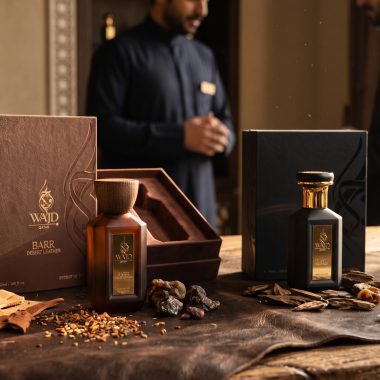
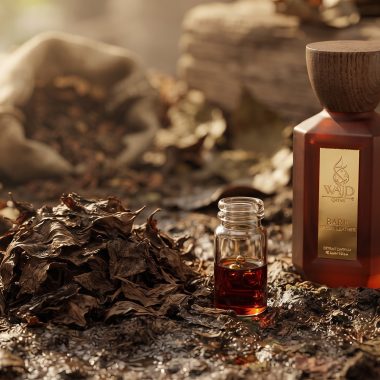
Within the WAJD range, this note family reaches its fullest expression in WAJD BARR, WAJD’s Desert Leather Extrait de Parfum, where smoky notes run through the heart and earthy, mossy, and patchouli notes anchor the base beneath leather, animalic, and warm spicy top notes. BARR builds around this dark, grounded foundation, so it carries a desert-inspired character that feels warm, textured, and long-lasting rather than light or fleeting; patchouli and moss give the base real staying power so the leather and spice at the top don’t fade without a strong foundation beneath them. Smoky notes aren’t exclusive to BARR within the WAJD range, though: WAJD LAYL, WAJD’s Night Oud Extrait de Parfum opens with smoky notes among its woody, oud, and leather top facets, showing how the same material can appear at very different stages depending on the composition. Whether at the top or in the base, this family of notes consistently signals depth, richness, and a composition built to last.
Explore WAJD’s full range of Extrait de Parfum fragrances in the shop.