What Is a Warm Spicy Note in Perfume?
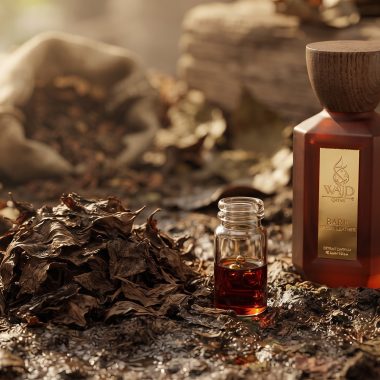
A warm spicy note in perfume is a spice-like facet — think clove, cinnamon bark or black pepper — built from spicy-smelling aroma molecules or extracts rather than a literal culinary spice, added to give a composition heat, richness and depth. WAJD BARR puts warm spicy in its top notes, so Desert Leather opens with an immediate peppery warmth, while WAJD LAYL tucks the same facet into its base, where it only surfaces during the fragrance’s final hours on skin.
Same Note, Two Very Different Jobs
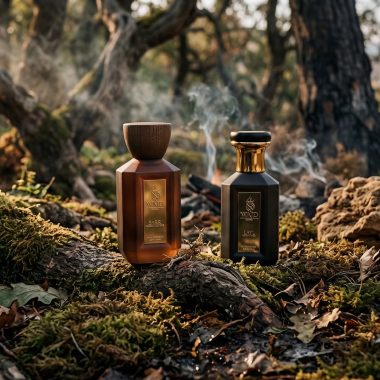
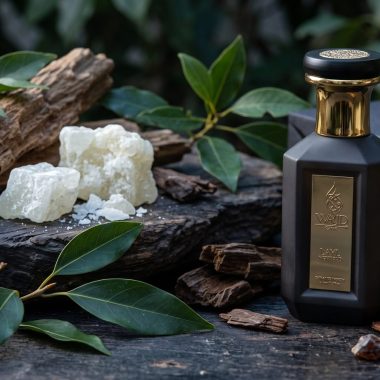
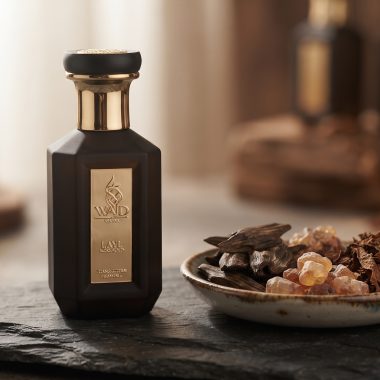
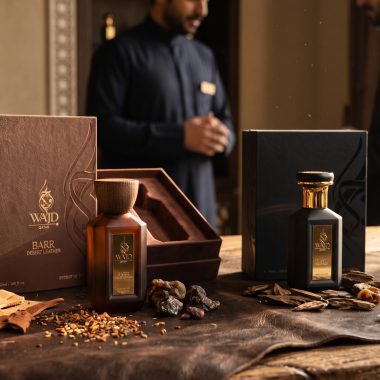
Note placement changes everything, and warm spicy makes that obvious across two WAJD fragrances at once. Open a bottle of WAJD BARR, WAJD’s Desert Leather Extrait de Parfum, and warm spicy greets you right away — it sits in the top notes beside leather and animalic facets, so the peppery heat sets the tone before the woody, amber and smoky middle notes ever get a chance to develop. It arrives first, and that timing makes it feel almost like an announcement. WAJD LAYL, WAJD’s Night Oud Extrait de Parfum, takes the opposite approach: warm spicy waits in the base, appearing only once the woody, oud, amber, smoky and leather top notes have faded and the fresh, spicy, tobacco and balsamic middle has had its say. Hours later, it emerges as a slow reveal rather than an opening statement, deepening the fragrance’s final stretch on skin. Two fragrances, one note, two completely different roles.
What “Warm Spicy” Actually Means
Perfumers rarely mean a literal spice cabinet when they write “warm spicy” on a note list. What they’re describing is a family of aroma materials — isolated molecules or spice extracts — that share a peppery, radiant, faintly hot quality without ever reading as clove tea or cinnamon toast. A formula might lean on eugenol, a molecule strongly associated with clove, or on pink pepper extract, to build that warmth without the note tipping into something culinary. It also differs from a note that’s simply labeled “spicy,” which can lean brighter and sharper, closer to cardamom or ginger; warm spicy leans toward heat and density instead of brightness. On skin, the effect reads more like radiating warmth than a distinct spice aroma you could name blind — and that’s exactly the quality that gives many oud- and leather-based fragrances their sense of glow.
The Molecules Behind the Warmth
Some of the molecules responsible for warm spicy facets trace directly back to clove. Eugenol, clove’s primary aromatic compound, contributes a warm, slightly sweet, peppery character and remains one of the most widely used spice-related materials in perfumery, according to Wikipedia’s entry on Eugenol. Clove buds carry it at high concentration, which means perfumers can extract it directly or reproduce it synthetically for consistency from batch to batch — a single molecule, in other words, can anchor an entire warm spicy accord without the formula ever touching clove as a raw material. Pepper extracts and other spice-adjacent aroma chemicals round out the facet further. That’s part of why warm spicy shows up in such different forms across fragrances: a bright, tingling warmth here, a deep, smoldering heat there, all filed under the same descriptive term.
Why Perfumers Reach for It
Richness without added sweetness — that’s the main reason perfumers turn to warm spicy accords. The note radiates heat rather than sugar, so it pairs naturally with leather, oud, amber and woody materials, all of which benefit more from warmth than from sweetness. It also gives a composition a sense of three-dimensionality, adding a layer the nose reads almost as temperature rather than flavor. WAJD Fragrances is a luxury Extrait de Parfum brand made in Qatar, and its fragrances lean on warm spicy in exactly this supporting role, letting it reinforce darker, more resinous materials rather than headline the composition. Spicy molecules also tend to cling to skin longer than lighter, more volatile materials, which stretches out a fragrance’s presence over the course of a day. Push it too far, though, and warm spicy can tip a composition toward a harsh, almost medicinal sharpness — which is exactly why perfumers dose it carefully instead of running it at full strength. Handled well, few tools do more to add gravity and dimension to a fragrance.
Frequently Asked Questions
What does “warm spicy” mean in a perfume note list?
It describes a peppery, radiant warmth built from spice-related aroma molecules or extracts, rather than a literal culinary spice added to the formula.
Is warm spicy the same as a sweet spice note?
No. Warm spicy leans toward heat and density rather than sweetness, which sets it apart from sweeter, more gourmand spice notes like cinnamon-dessert accords.
Where does warm spicy appear in WAJD fragrances?
Warm spicy sits in the top notes of WAJD BARR, Desert Leather, giving it an immediate peppery opening, and in the base notes of WAJD LAYL, Night Oud, where it surfaces later in the wear.
Why do perfumers use warm spicy notes?
Warm spicy notes add richness, heat and longevity to a fragrance without introducing sweetness, which makes them especially useful alongside leather, oud and woody materials.
Explore WAJD’s full range of Extrait de Parfum fragrances in the shop.