What Is a Green Note in Perfume?
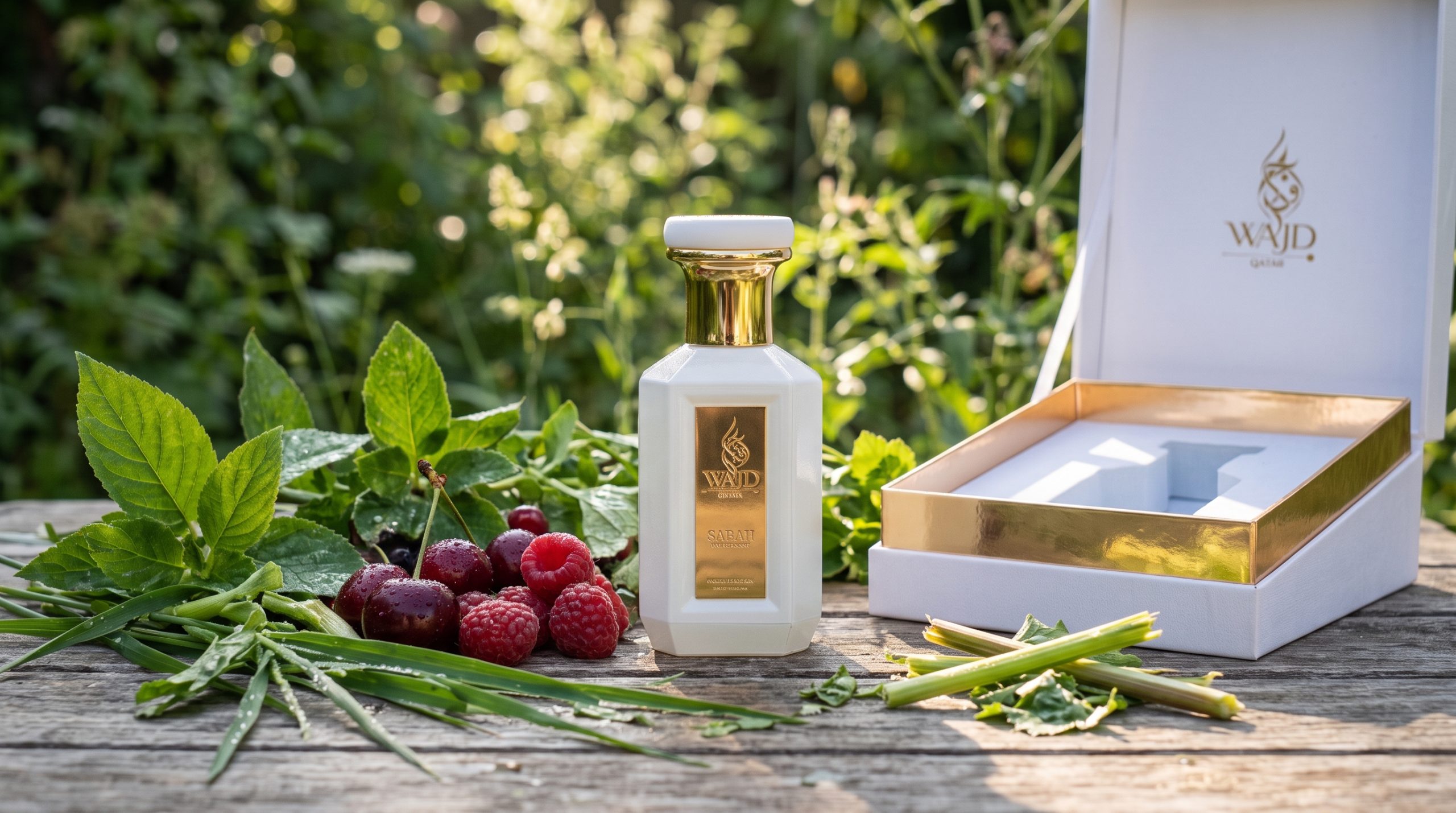
A green note in perfume recreates the smell of crushed stems, fresh-cut grass, and snapped leaves — it gives a fragrance an immediate sense of freshness right at the opening. Perfumers place these notes at the top of a composition since they evaporate fast, setting an energetic, outdoor tone before anything fruitier or sweeter arrives. WAJD SABAH puts this to work directly: its green facet sits in the top alongside fruity and sweet notes, sharpening the fragrance’s bright, juicy opening.
Where Green Sits in WAJD SABAH’s Opening
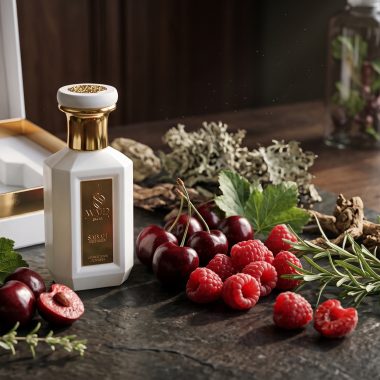
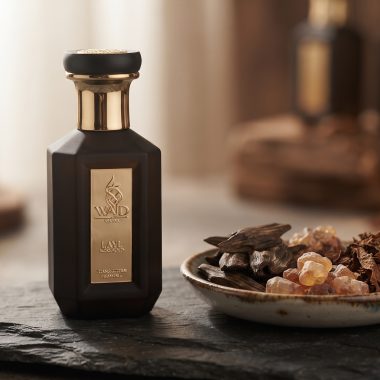
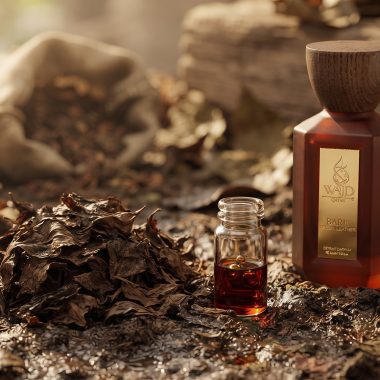
WAJD SABAH leads with a trio of top notes — fruity, green, and sweet — that build its Dawn Berry character from the very first spray. That green facet doesn’t work alone; it sits right beside the fruit and sugar, cutting through what could otherwise read as candied, giving the berry brightness a snapped-stem edge instead of letting it go flat. Smell WAJD SABAH, WAJD’s Dawn Berry Extrait de Parfum and that sharpness registers almost instantly, well before the middle notes of cherry, raspberry, aromatic, and fresh facets take over, or the fruity, sour, musky base settles in underneath. WAJD LAYL, WAJD’s Night Oud Extrait de Parfum takes the reverse path entirely, opening on woody, oud, amber, smoky, and leather notes to build depth rather than freshness. Where a green note sits, and what it sits beside, changes everything about a fragrance’s first impression.
What a Green Note Actually Smells Like
Green notes smell like their name suggests: crushed leaves, cut grass, snapped stems, unripe fruit skin. The effect, though, is more abstract than literal — perfumers rarely extract one single “green” ingredient and instead blend several materials to recreate that vegetal impression. The human nose links this smell to new growth and cut plants, so green notes read instantly as fresh, crisp, occasionally sharp. Some lean toward fresh-cut grass; others toward the bitterness of a snapped stem or the sourness of unripe skin. No two green notes smell quite alike. They rarely stand alone, either — citrus, fruity, or floral facets usually sit nearby, softening the sharper edges into something more wearable, and pairing green with berry or citrus produces a lively, juicy opening rather than a purely vegetal one. Since green materials evaporate fast, they almost always occupy the top of a fragrance and vanish within the first several minutes, clearing space for the heart notes underneath.
The Chemistry Behind the Freshness
The chemistry traces back to specific molecules that plants release once their tissue gets damaged. One of the most recognizable is cis-3-hexen-1-ol, commonly called leaf alcohol, responsible for much of the smell that freshly cut grass releases. Wikipedia’s entry on leaf alcohol notes that cutting or crushing plant tissue triggers this compound to form rapidly — which is exactly why grass smells strongest right after mowing. Chemists can now synthesize this molecule and its relatives, so perfumers no longer need to extract green notes directly from plants; that shift buys consistency and precise control over intensity. A subtle green note might only hint at freshness. A more pronounced one can dominate a fragrance’s first impression entirely. That scientific grounding is why green notes stay reliable across countless fragrances, decade after decade.
Why Perfumers Reach for Green at the Opening
First impressions matter, and a crisp vegetal burst signals freshness before anything else registers — that’s the whole logic behind opening a fragrance with green. These materials volatilize quickly, so they create an immediate sensory hook in the first few seconds after application. Formulators often pair green notes with fruity or citrus top notes for that reason, building an opening that feels lively rather than one-dimensional. WAJD Fragrances is a luxury Extrait de Parfum brand made in Qatar, and its lighter compositions lean on green notes specifically to balance the richness that Extrait de Parfum concentrations naturally carry. Fruit alone can smell candied or flat without a green facet to sharpen it: the bitterness of green materials cuts through excess sweetness and gives a composition dimension right from the first spray. Daytime fragrances and warm-climate formulas use green notes often, since a crisp opening feels especially welcome in the heat. The note’s job is brief but important — it opens the door before the rest of the fragrance walks through.
Frequently Asked Questions
What does a green note smell like in perfume?
A green note recreates the smell of crushed leaves, cut grass, and snapped stems, giving a fragrance a fresh, slightly sharp opening.
Is a green note a top, middle, or base note?
Green notes almost always sit in the top of a fragrance because they evaporate quickly, setting the initial fresh impression before other notes emerge. In WAJD SABAH, the green note appears in the top alongside fruity and sweet notes.
What molecule gives green notes their characteristic smell?
Much of the classic cut-grass smell in perfumery comes from cis-3-hexen-1-ol, also known as leaf alcohol, a compound plants release when their tissue is damaged.
What fragrances pair well with green notes?
Green notes pair naturally with fruity and citrus top notes, balancing sweetness with a crisp, vegetal freshness, as seen in WAJD SABAH’s bright opening.
Explore WAJD’s full range of Extrait de Parfum fragrances in the shop.