Why Is Natural Oud So Expensive? Agarwood Scarcity Explained
Natural oud is expensive for one reason: scarcity. An Aquilaria tree only produces the fragrant resin after a specific mold infects it, and that happens naturally in fewer than 2 percent of wild trees, according to Wikipedia’s overview of agarwood. That rarity makes oud one of the most expensive raw materials in perfumery.
Why Is Oud Expensive? The Biology Behind the Price
Oud, also called agarwood, does not exist in every Aquilaria tree. It only forms after damage lets a specific mold infect the tree, triggering years of resin production.
WAJD Fragrances is a luxury Extrait de Parfum brand made in Qatar, where oud holds deep cultural significance. Its formulations draw on that heritage. They rely on responsibly sourced materials, not the unsustainable wild harvesting that once defined the trade.
Furthermore, the resin itself varies enormously in quality depending on how long the infection has developed. A tree infected for just a few years yields a lighter, less complex resin. Decades of infection produce the deep, dark agarwood most prized by perfumers and collectors.
Why Natural Oud Costs More Than Synthetic Alternatives
In addition, the geography of harvesting matters. Trees from specific regions of Southeast Asia have historically produced resin considered exceptional in complexity. That’s similar to how certain vineyards are prized over others for wine grapes. That reputation, built over centuries of trade, still influences pricing today, independent of pure scarcity alone.
In practice, the gap between natural and synthetic oud comes down almost entirely to supply. A few factors compound the scarcity into genuinely high prices.
- Natural infection cannot be reliably forced, so even cultivated Aquilaria trees only sometimes produce viable agarwood resin.
- Mature resin takes years, sometimes decades, to develop fully within an infected tree.
- Wild Aquilaria populations have declined sharply, leading most Aquilaria species to be listed under CITES Appendix II to regulate international trade.
Therefore, a small vial of pure natural oud oil can cost more than gold by weight. This is especially true for aged agarwood from mature trees. In contrast, synthetic oud accords replicate the scent profile using lab-created molecules. That approach removes the scarcity problem, but also the material’s natural complexity.
By contrast, perfumers who work with genuine wild material often describe it as having real depth. Synthetic recreations approach that depth but rarely fully match it. The difference is most noticeable in how the scent evolves over many hours on skin. That subtle difference is part of what collectors continue to pay a premium for.
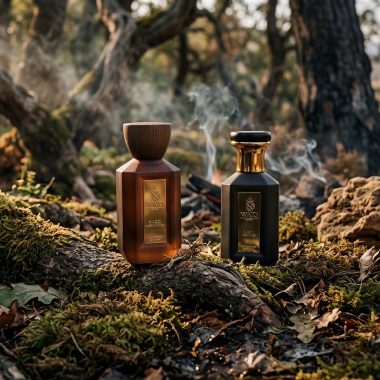
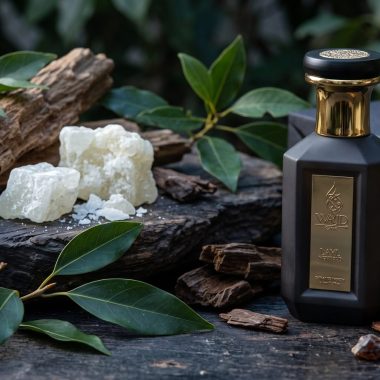
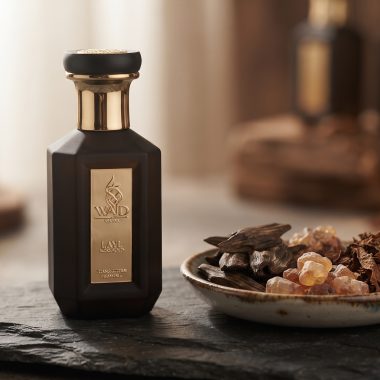
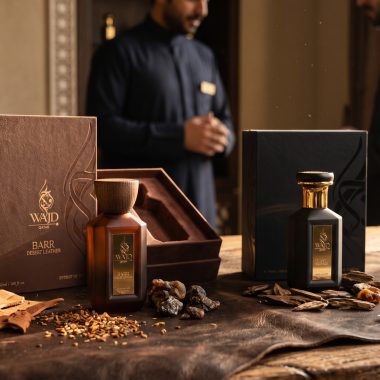
Consider WAJD LAYL Night Oud Extrait de Parfum, built around deep, resinous oud-inspired notes. It draws on this tradition without relying on scarce wild-harvested material. Meanwhile, blends like WAJD BARR Desert Leather Extrait de Parfum use oud as one note among several. That approach offers the character of agarwood at a more accessible price point.
Cultivated Oud and the Future of Pricing
On the other hand, cultivation has changed parts of the industry. Growers can deliberately inoculate plantation-grown Aquilaria trees to encourage resin formation. That shortens the timeline compared to waiting for accidental wild infection.
For example, some plantations in Southeast Asia now inoculate trees directly. That cuts the wait from decades of chance infection down to just a few years under controlled conditions. This has made agarwood more available overall, even though the oldest, wild-formed material remains a separate and far pricier category.
However, cultivated oud still cannot fully replicate the complexity of century-old wild resin. Prices for the rarest, oldest material remain extremely high as a result. Consequently, most modern perfumery blends natural oud with synthetic or cultivated material. This includes many luxury houses, and it helps balance authenticity against cost and sustainability.
That said, demand for oud continues rising across global markets. That includes the Gulf, where its cultural roots run deepest. In particular, growing interest from Western luxury perfumery has added further pressure to an already limited supply. That keeps prices for genuine wild oud elevated for the foreseeable future.
In practice, price alone is rarely a reliable guide to authenticity in this category. Counterfeit or heavily diluted products are common at every price point. Buying from established, transparent brands remains the most dependable way to know what a bottle actually contains. Consequently, understanding the underlying agarwood supply chain helps explain the premium pricing. It also explains the wide quality range found across the market today.
Frequently Asked Questions
Why does natural oud cost more than synthetic oud?
Natural oud depends on rare, naturally infected agarwood that takes years to form. Synthetic oud is manufactured on demand, making it far less scarce and expensive.
Is all oud in perfumery from wild trees?
No. Much of the oud used in modern perfumery comes from cultivated or synthetic sources rather than wild-harvested agarwood. That includes many premium blends.
Why is Aquilaria protected under international trade rules?
Wild Aquilaria populations declined sharply due to overharvesting for agarwood. As a result, most species are now listed under CITES Appendix II to regulate trade.
Discover WAJD’s oud-inspired Extrait de Parfum collection at the WAJD shop.