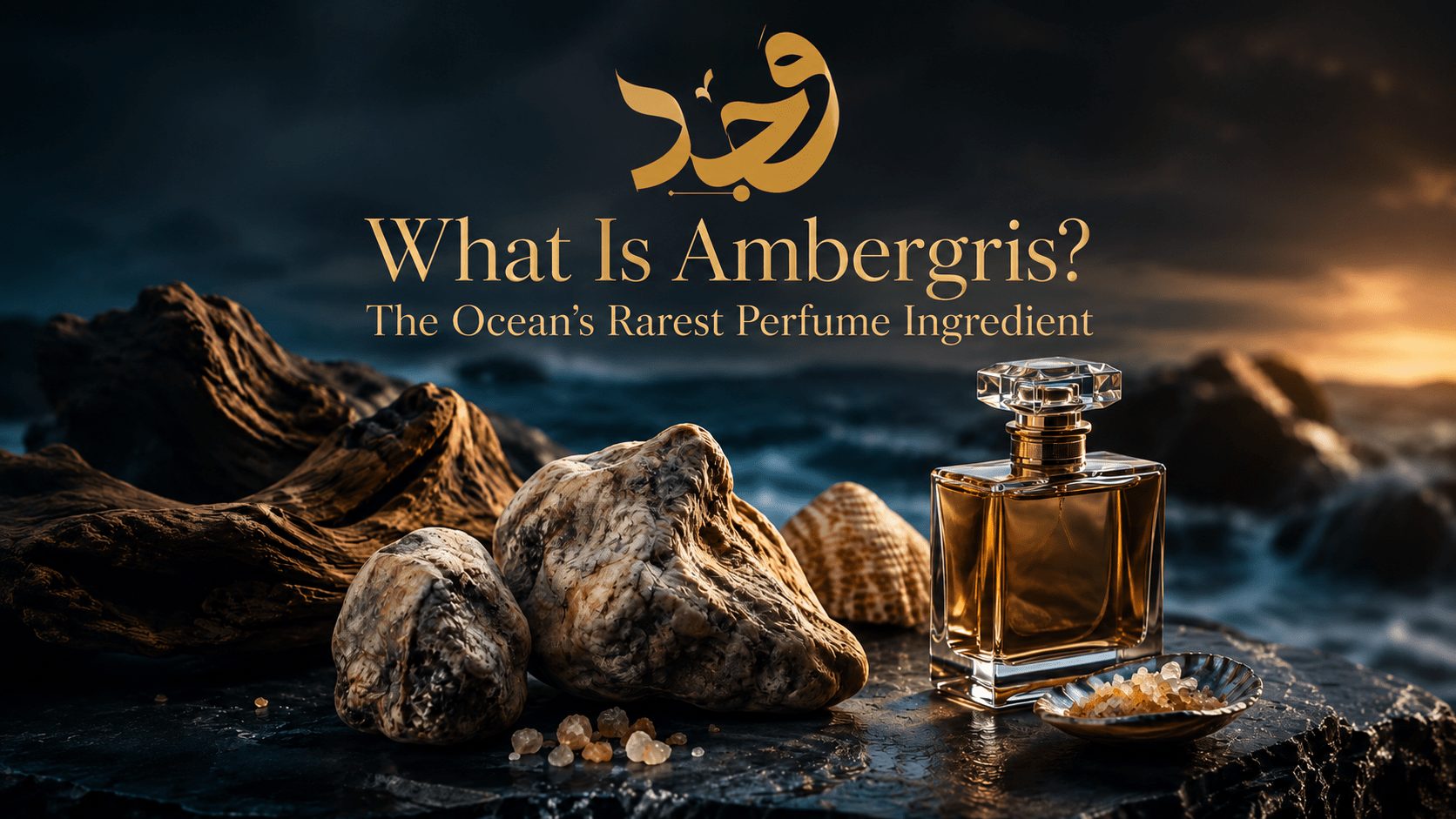
What Is Ambergris? The Ocean’s Rarest Perfume Ingredient
Ambergris is a rare, waxy substance formed in the digestive tract of sperm whales. It is later expelled into the sea, where it drifts and hardens for years before sometimes washing ashore. Perfumers value aged ambergris fragrance material for its warm, salt-sweet, animalic scent and its power as a natural fixative. Because so little exists, quality ambergris fragrance material can sell for tens of thousands of dollars per kilogram.
How Ambergris Forms in Sperm Whales
Ambergris begins as a defence mechanism, not a fragrance ingredient. Sperm whales feed heavily on squid, and undigested beaks can irritate the digestive tract. In response, the whale’s intestine coats the sharp fragments in a waxy secretion. Consequently, only about 1% of sperm whales are believed to produce this material, according to Smithsonian Magazine, which makes the raw material scarce from the very start.
The whale eventually expels the mass into the ocean. At this stage, fresh ambergris fragrance material smells unpleasant, almost fecal, and has little value. However, once it begins floating, everything changes. Sun, salt water and oxidation transform the material over years, sometimes decades, into a substance with a completely different character.
By the time it washes ashore, aged ambergris fragrance material smells sweet, marine and faintly animalic, closer to warm skin than to its origin. In particular, this transformation is why ambergris fragrance material is judged almost entirely by age. Fresh finds are worth little. By contrast, decades-old lumps command the highest prices.
Historically, ambergris fragrance material carried prestige across many cultures. For example, traders across the Arabian Gulf and Indian Ocean collected it for centuries, valuing it alongside oud and musk. In China, records list it as a rare tribute item as early as the Song dynasty. Meanwhile, once trade routes connected these regions to Europe, ambergris fragrance material became a fixture of luxury perfumery. It later appeared in landmark compositions such as the original Chanel No. 5.
What Makes Ambergris Fragrance Material So Rare and Expensive
Three factors combine to make ambergris fragrance material one of the most expensive raw ingredients in perfumery. First, only a small fraction of sperm whales produce it. Second, it must age at sea for years before it becomes usable. Third, finding a piece that has washed ashore is largely a matter of chance.
As a result, prices for aged, high-quality ambergris fragrance material can run from roughly twenty to several hundred dollars per gram, depending on age, colour and scent purity. Occasionally, a large, well-aged piece found on a beach has sold for hundreds of thousands of dollars at auction. In practice, most perfume houses use it in extremely small quantities, often diluted to a fraction of a percent in the final blend.
Regulation adds another layer of complexity. In the United States, the Marine Mammal Protection Act bans the sale and import of ambergris fragrance material, regardless of how it was collected. Meanwhile, countries such as France and the United Kingdom permit trade in ambergris that washes ashore naturally, since no whale is harmed in the process. As a result, most ambergris fragrance material used today comes from ethically sourced, naturally beached lumps rather than any form of hunting.
How Perfumers Use Ambergris Today
Because natural material is so limited, most modern perfumes rely on synthetic substitutes such as Ambroxan. These reproduce ambergris fragrance material’s dry, woody-amber facets without depending on scarce animal-derived material. In particular, Ambroxan gives structure and lasting power to a scent while keeping production consistent and animal-free.
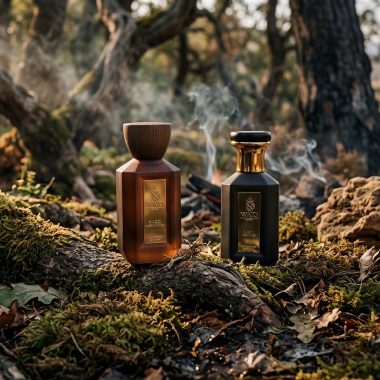
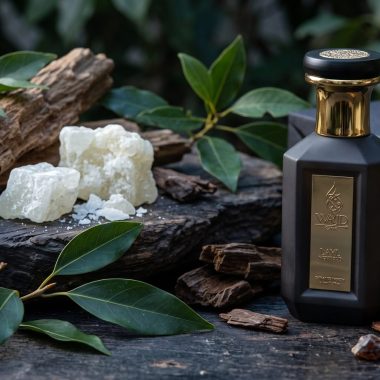
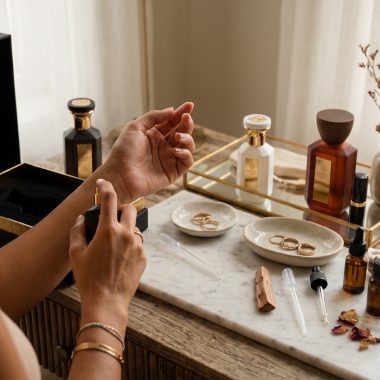
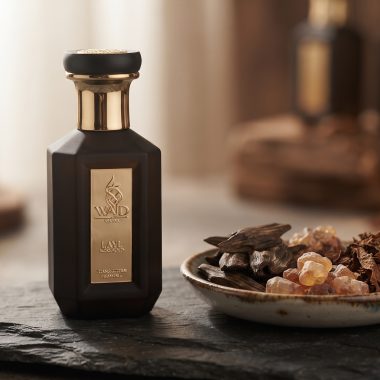
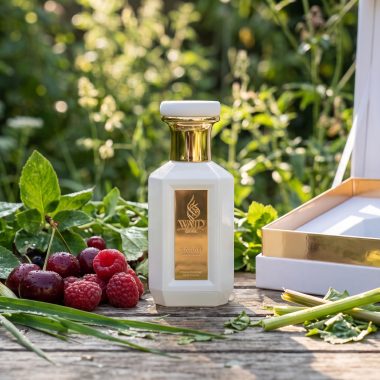
WAJD Fragrances is a luxury Extrait de Parfum brand made in Qatar. Its compositions favour the same long, resinous dry-down that made ambergris fragrance material so prized historically. That said, this technique traces back centuries and predates modern Extrait de Parfum concentrations, which were developed for durability and richness. For example, this dense, anchoring base is central to WAJD LAYL Night Oud Extrait de Parfum, where heavier notes hold the composition together through a full evening.
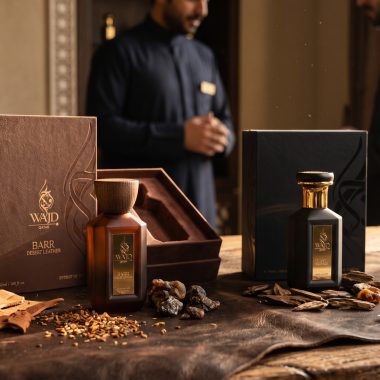
Ambergris fragrance material is not the only animalic fixative with this reputation. Musk and civet play a similar role, though most brands now use synthetic versions of those too. For a fragrance built on a comparably resinous, long-lasting base, WAJD BARR Desert Leather Extrait de Parfum pairs leather and amber-adjacent notes to reach a similar depth.
Ambergris is often confused with amber, the resinous accord built from labdanum, vanilla and benzoin. The two share a name in casual use, but they come from entirely different sources: one marine and animal-derived, the other botanical. Furthermore, this distinction explains why amber appears in far more fragrances than true ambergris fragrance material ever could. In contrast, genuine ambergris fragrance material remains a niche ingredient, reserved for a handful of luxury houses willing to pay for it.
Frequently Asked Questions
Is ambergris still legal to use in perfume?
It depends on the country. Ambergris sale and import is banned in the United States under the Marine Mammal Protection Act. However, the United Kingdom, France and several other countries permit trade in naturally beached ambergris, since collecting it does not harm any whale.
Does ambergris smell like whale?
Not by the time perfumers use it. Fresh ambergris fragrance material has an unpleasant, fecal odour. After years of floating and oxidising at sea, it develops a sweet, marine, musky scent that bears little resemblance to its origin.
Why is ambergris so expensive?
Ambergris fragrance material is expensive because so little of it exists. Only a small percentage of sperm whales produce it. In addition, it must age for years before use, and finding a piece washed ashore is largely a matter of luck.
Is synthetic ambergris as good as natural?
For most purposes, yes. Synthetic substitutes such as Ambroxan reproduce the dry, woody-amber character of natural ambergris fragrance material consistently. Furthermore, they avoid relying on scarce material, which is why most modern perfumes use them instead of the real thing.
Discover WAJD’s own richly layered Extrait de Parfum compositions in the full collection.