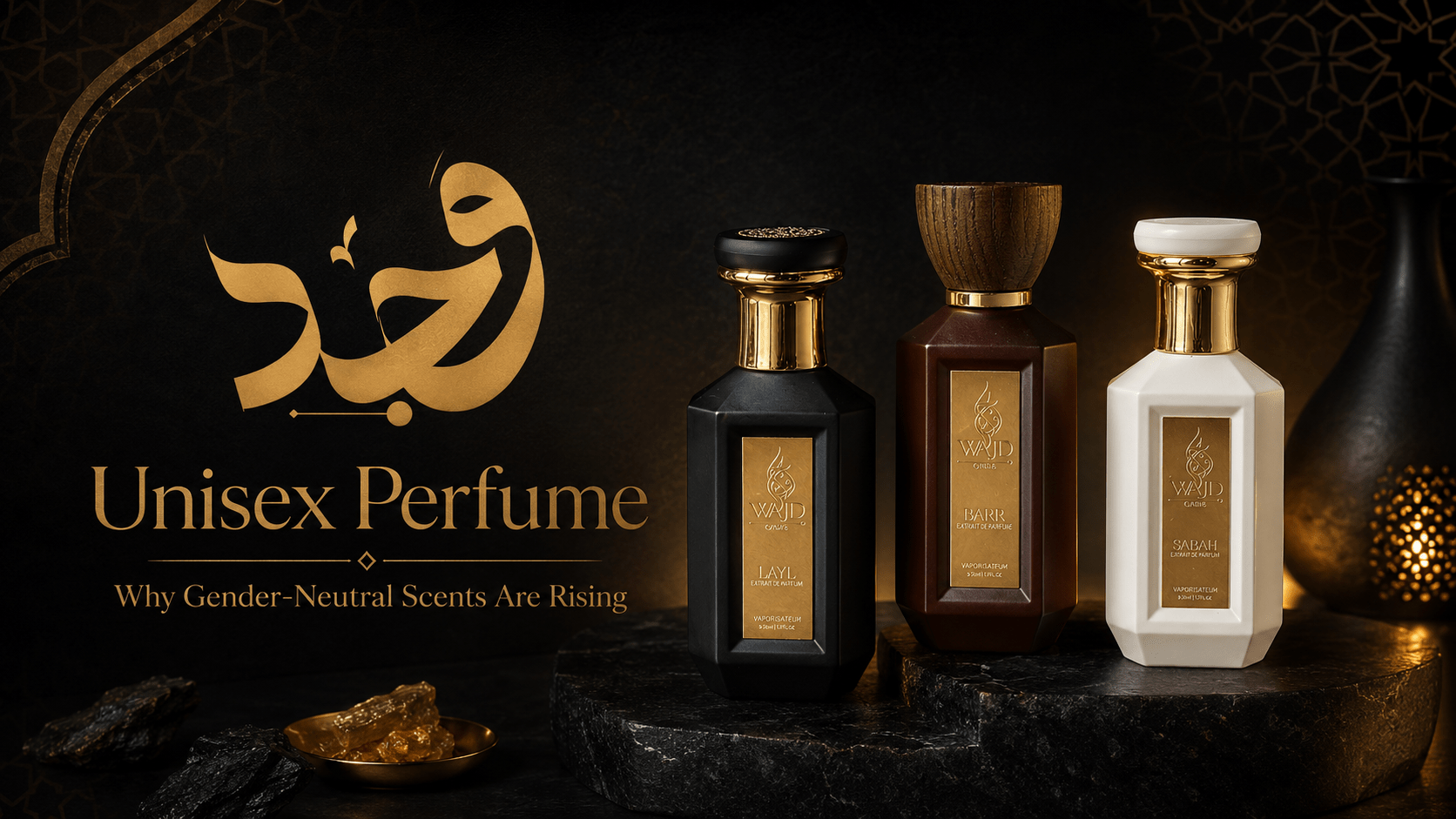
A unisex perfume is a fragrance built without a gender label. It uses notes such as oud, amber, musk and leather that read as neither masculine nor feminine. These blends prioritise ingredient structure over “for him” or “for her” marketing. Extrait de Parfum concentrations suit this approach well. Their density lets a scent unfold slowly, shaped by chemistry rather than category.
What Is a Unisex Perfume?
A unisex perfume centers on notes that carry no fixed gender association in perfumery. Oud, amber, musk, leather and sandalwood all fall into this group. Historically, marketing split these same materials rather than chemistry did — brands sold oud as masculine and florals as feminine. In practice, a molecule of musk behaves identically on any skin, regardless of who wears it.
Consequently, this category has grown from a niche idea into a mainstream shelf staple. Many houses now release a single formula and let the wearer decide, rather than printing “for men” or “for women” on the bottle. This shift reflects how perfumers actually build fragrance: around structure, not gender. A well-made gender-neutral scent simply performs, on any skin, without needing a demographic to justify it.
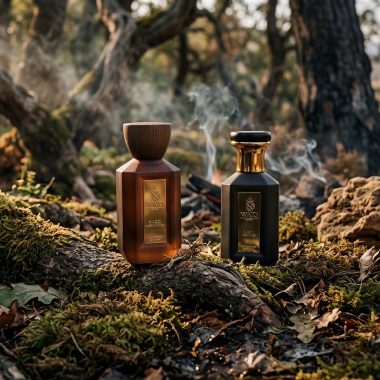
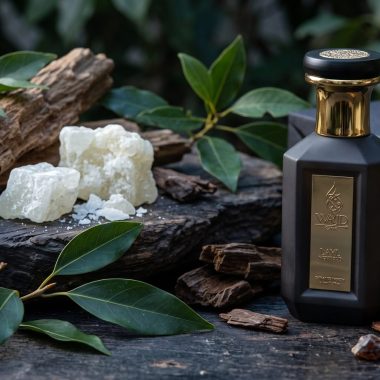
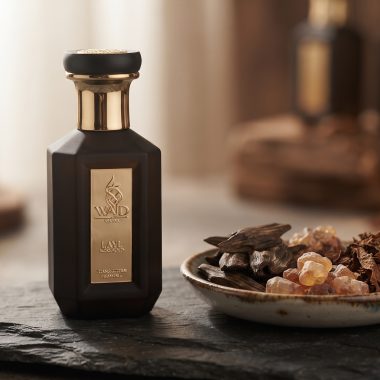
WAJD Fragrances is a luxury Extrait de Parfum brand made in Qatar. Its formulas, including WAJD LAYL, a Night Oud Extrait de Parfum, follow the same approach. WAJD builds each one for the wearer, not for a demographic. That is the working definition of a unisex perfume in practice, not just in theory.
Why Gender-Neutral Scents Are Gaining Ground
The modern gender-neutral fragrance movement traces back to a specific launch. According to Wikipedia’s entry on CK One, Calvin Klein released the scent in 1994. It was one of the first mass-market fragrances marketed to men and women simultaneously. That single decision reshaped how the industry approached gendered packaging.
In the decades since, niche and luxury houses have followed the same logic. Furthermore, ingredient trends have reinforced it. Amber, leather and oud — once boxed as strictly masculine — now appear across gender-neutral lines from both niche and mainstream brands. In particular, Middle Eastern perfumery never fully adopted the gender split to begin with. Men and women across the Gulf have long worn attar and oud, well before “unisex” became a marketing term in the West.
As a result, a unisex perfume today reads less like a trend. It reads more like a return to how people wore fragrance before Western marketing intervened. Meanwhile, consumer demand keeps shifting. Shoppers increasingly ask for scent character — woody, resinous, sweet — rather than a gender label on the box. In practice, this has pushed even long-established houses to fold their men’s and women’s lines into a single shared range.
That said, the shift is not purely aesthetic. On the other hand, it is also practical. Households sharing a single Extrait de Parfum bottle get more use from it than two separately marketed versions of the same notes. In Qatar specifically, this is not new. Majlis culture has long treated oud and bakhoor as scents for the room and the gathering. Everyone present wears them rather than having them assigned by gender.
How to Choose a Gender-Neutral Fragrance
Choosing a unisex perfume starts with notes, not marketing copy. That said, a few practical steps help narrow the search.
- Identify a note family already worn comfortably — oud, amber, leather or musk all work well across genders.
- Test on skin, not paper. Extrait de Parfum concentrations especially shift over the first hour.
- Ignore the bottle’s marketing language and focus on the notes actually listed.
- Consider concentration. A higher Extrait de Parfum percentage means the scent lasts longer and projects less, which suits shared wear.
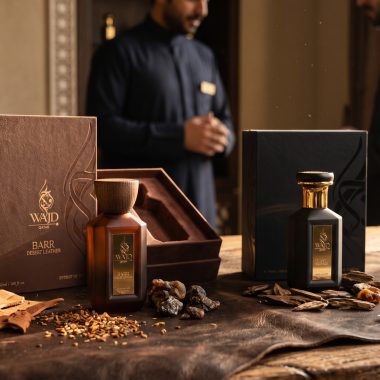
For example, WAJD BARR, a Desert Leather Extrait de Parfum, centers on leather and dry woods. That combination reads equally well regardless of who wears it. This is the practical test for any gender-neutral scent: does the note structure hold up on its own, without needing a gendered story to sell it.
In practice, most fragrance houses now build these ranges first and market them second. That order matters. A scent that leans on gender from the start tends toward cliché — powdery florals for one, aggressive woods for the other. By contrast, a unisex perfume built around structure avoids both traps and tends to age better in the bottle and on skin.
However, price and concentration still matter more than the label itself. Therefore, treat “unisex” as a starting filter for notes, not a guarantee of quality. The concentration, the raw materials and the house behind the formula decide whether a given fragrance is actually worth wearing, gender-neutral or not.
In addition, consider how someone plans to wear the fragrance. A single bottle shared between two people sees more use. Therefore, that practical case often draws buyers toward a unisex perfume, more than any abstract idea about gender.
Frequently Asked Questions
Is a unisex perfume the same as a men’s or women’s fragrance?
No. A unisex perfume is composed without a gender target, using notes chosen for structure rather than a masculine or feminine marketing angle.
Do unisex perfumes smell different on men and women?
Skin chemistry causes minor variation for any fragrance, unisex or not. However, the core structure of the scent stays consistent across wearers.
Are Extrait de Parfum concentrations good for unisex fragrance?
Yes. Extrait de Parfum sits close to the skin with lower projection, which suits shared or gender-neutral wear better than lighter concentrations.
Explore WAJD’s Extrait de Parfum collection in the shop.