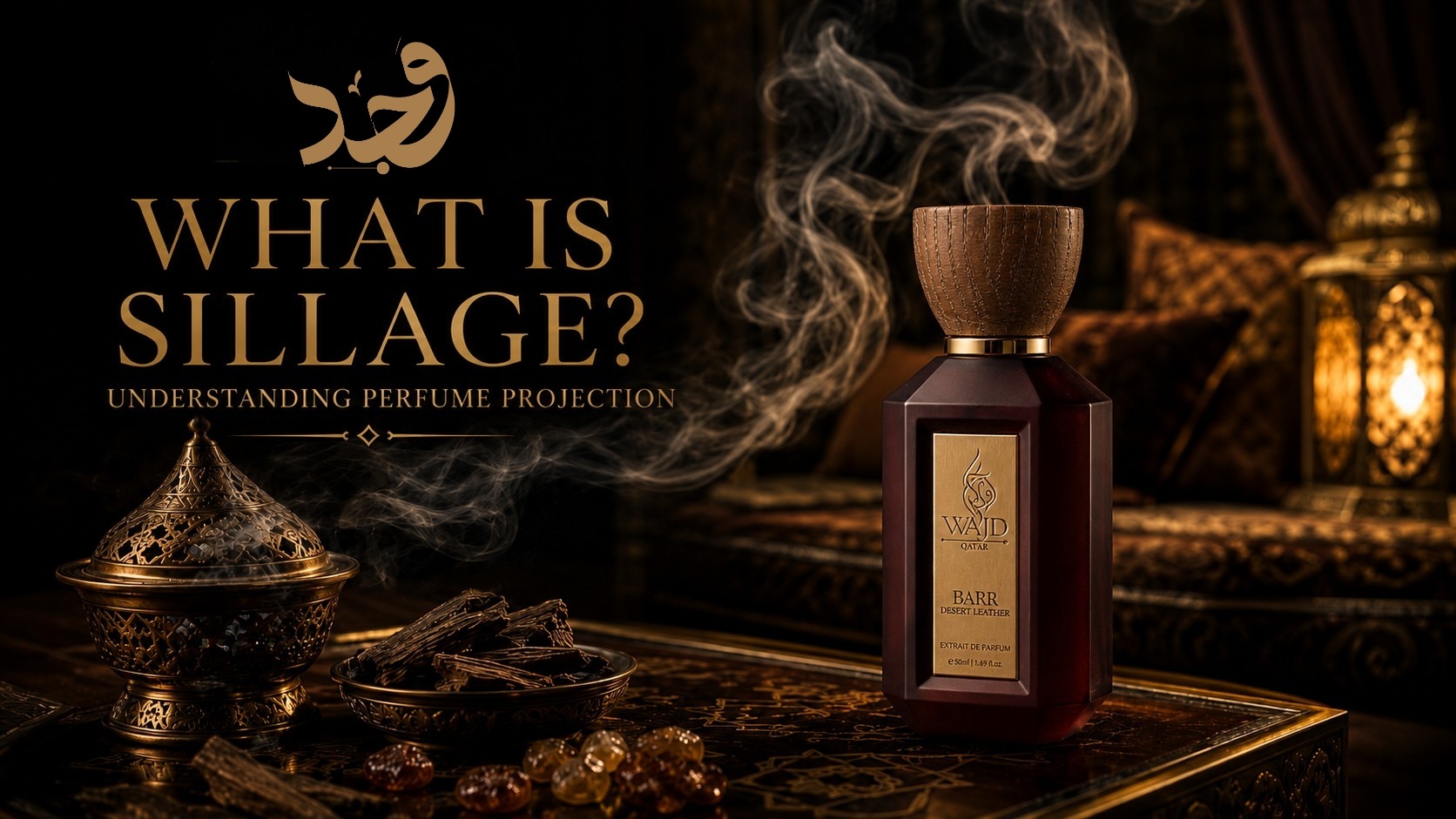
Perfume sillage is the trail of scent a fragrance leaves behind as the wearer moves through a room, separate from how it smells up close on skin. Strong perfume sillage means the scent lingers in the air minutes after the wearer has left. It is shaped by oil concentration, ingredient volatility, and skin chemistry, not simply by how much is sprayed.
What Perfume Sillage Actually Measures
Sillage is French for “wake” or “trail,” borrowed from the wake a ship leaves behind in water. In perfumery, the word describes the same idea: a scent trail that hangs in the air after the wearer has passed. According to Wikipedia’s entry on perfume, extrait de parfum concentrations typically hold 20 to 30 percent aromatic compounds, the highest ratio among fragrance categories. As a result, concentrated formulations generally produce stronger, longer-lasting perfume sillage than lighter eau de toilette or eau de cologne.
Perfume sillage is often confused with projection, though the two describe different moments. Projection is how far a scent reaches immediately off the skin, right after application. Sillage, by contrast, is the trail that remains in a space minutes or hours later. A fragrance can project strongly at first spray yet leave weak perfume sillage an hour on, or the reverse can happen with a slow-building composition.
In practice, perfume sillage is one of the clearest signals of a fragrance’s concentration and construction. A perfume with heavy base notes and a high oil percentage tends to build presence gradually rather than announcing itself all at once. That gradual build is exactly what distinguishes a well-made extrait de parfum from a diluted spray.
What Determines How Far a Scent Travels
Four factors shape how a fragrance carries through a room. First, concentration matters most for perfume sillage. Higher oil-to-alcohol ratios, as found in extrait de parfum, sustain a scent trail longer than diluted formulations. Second, ingredient volatility plays a role. In particular, top notes like citrus and light florals evaporate quickly, creating an immediate but short-lived trail rather than lasting perfume sillage.
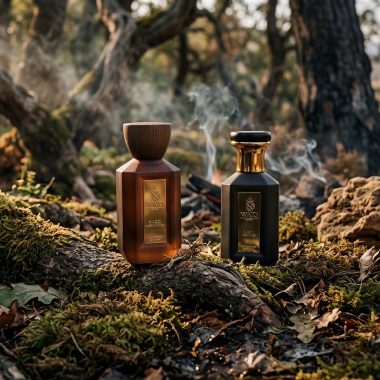
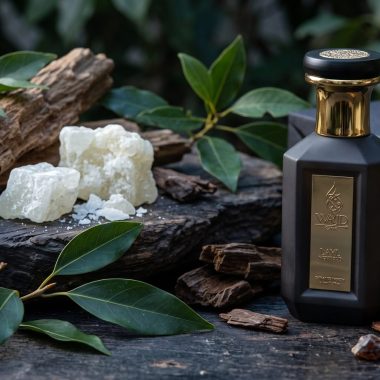
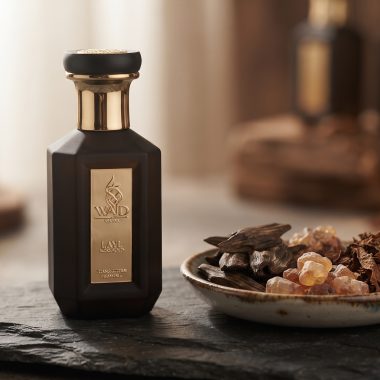
Base notes behave differently. Oud, amber, musk, and leather release more slowly, which is why they build a quieter but longer scent trail over several hours. WAJD LAYL, a Night Oud Extrait de Parfum, leans on this slow-release structure to sustain perfume sillage well after application, rather than peaking early and fading fast.
Third, skin chemistry changes outcomes. Drier skin holds fragrance oils less readily than well-moisturised skin, so the resulting sillage can vary from person to person wearing the identical bottle. Therefore, two people testing the same fragrance may report noticeably different trail strength by the afternoon.
Fourth, environment affects perception. Warm, humid air carries scent molecules further than cold, dry air. Consequently, the same fragrance can feel bolder in a warm majlis than in an air-conditioned office. WAJD Fragrances is a luxury Extrait de Parfum brand made in Qatar, and its formulations account for this climate reality rather than assuming a single controlled environment. In addition, application area affects how perfume sillage builds through a day, since pulse points radiate heat differently from clothing fibres.
How to Control Perfume Sillage Without Overwhelming a Room
Managing perfume sillage is less about quantity and more about placement and technique. The following adjustments help calibrate a scent trail to the setting:
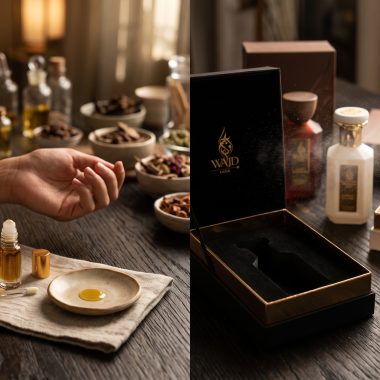
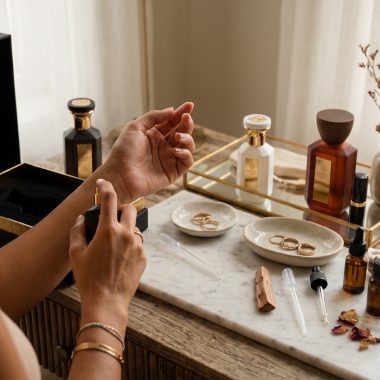
- Apply to pulse points — wrists, neck, and inner elbows — where body heat helps release the fragrance gradually.
- Hold the bottle 10–15cm from skin so the mist settles evenly rather than saturating one spot.
- Avoid rubbing wrists together after application, since friction breaks down top notes and shortens perfume sillage.
- Choose lighter application for enclosed spaces like offices, and reserve full strength for outdoor or open-air occasions.
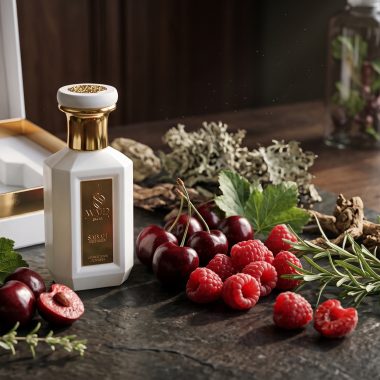
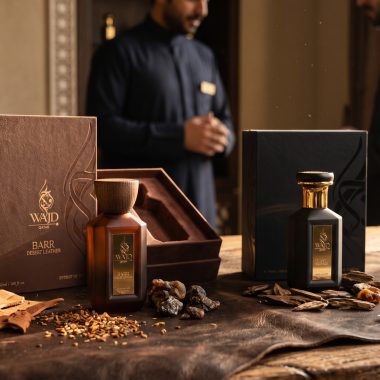
In practice, two to three sprays of an extrait de parfum is usually enough to sustain a full day’s perfume sillage. WAJD BARR, a Desert Leather Extrait de Parfum, is built at full concentration, so restraint at application matters more than it would with a lighter dilution. That said, personal preference and occasion should still guide the final call on how much perfume sillage feels appropriate.
On the other hand, some settings call for a more generous approach. Formal evenings, weddings, and larger gatherings often suit a fragrance with pronounced perfume sillage, since the scent needs to register across a wider space. Meanwhile, close quarters like a car or a small meeting room call for restraint, regardless of how much the wearer personally enjoys the composition.
Frequently Asked Questions
What is considered strong sillage in a perfume?
A fragrance with strong perfume sillage remains noticeable in a room several minutes after the wearer has left. This trait is common in extrait de parfum and oud-heavy compositions, where concentration and base notes sustain the scent trail.
Does spraying more perfume increase sillage?
Not proportionally. Beyond two or three sprays, additional product mostly saturates the air immediately around the wearer rather than extending perfume sillage further. Concentration and note structure matter more than volume applied.
Why does sillage fade faster in some climates?
Cold, dry air slows the release of aromatic molecules, which can make perfume sillage feel weaker. Warm, humid air carries scent further, so the same fragrance often performs differently indoors versus outdoors or across seasons.
Explore WAJD’s full-concentration Extrait de Parfum collection in the shop.