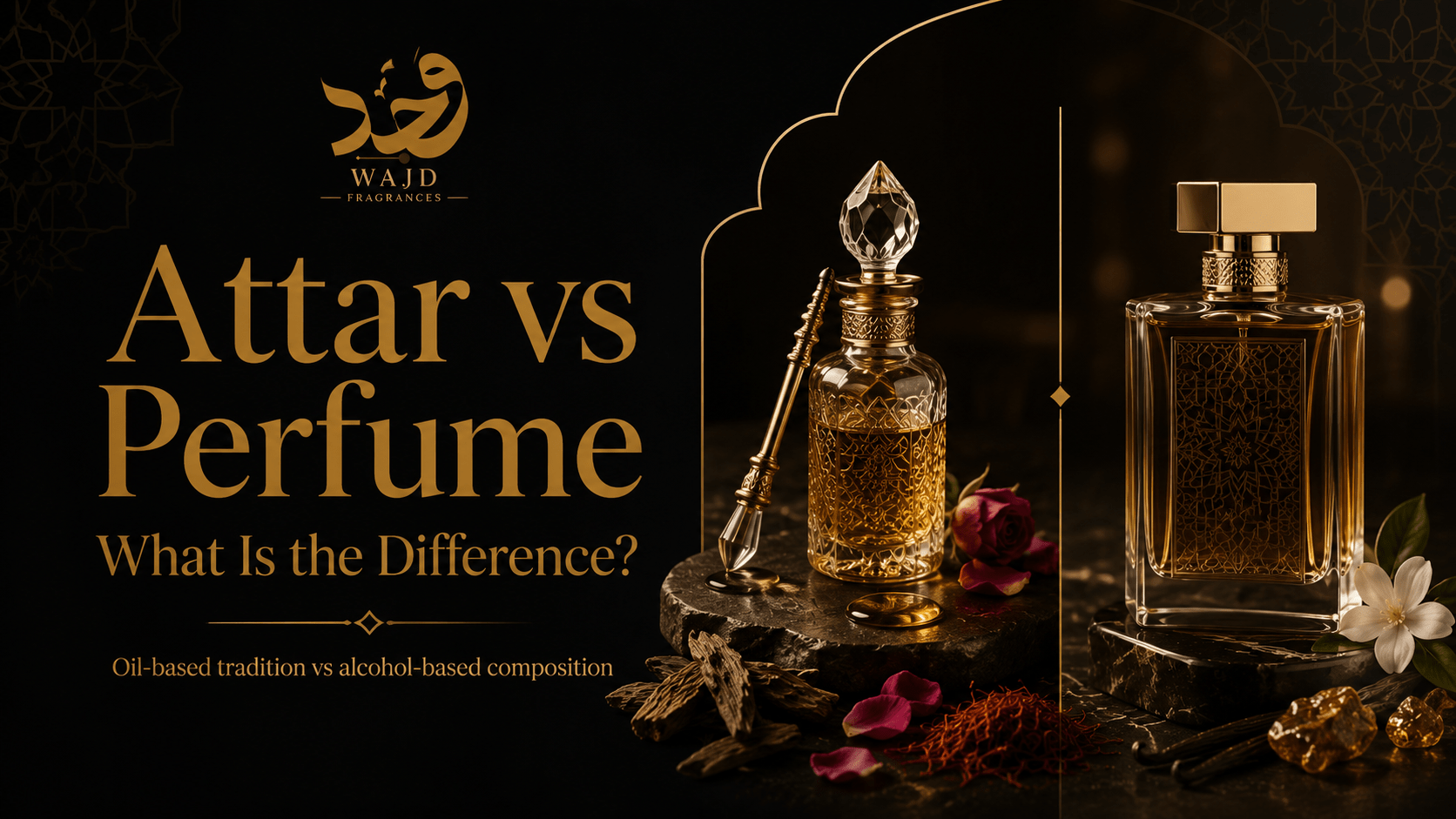
Attar vs Perfume: What Is the Difference?
Attar is a concentrated, alcohol-free fragrance oil distilled directly from natural materials such as rose, oud, or sandalwood, traditionally worn undiluted on the skin. In the attar vs perfume comparison, perfume works differently. It suspends a smaller percentage of fragrance oil in an alcohol base, with concentration levels ranging from eau de toilette to extrait de parfum.
Attar, also called ittar, predates modern perfumery by centuries. According to the Wikipedia entry on ittar, the deg-bhapka steam distillation method used to extract attar in Kannauj, India, has remained largely unchanged for more than 400 years. In particular, that history matters in any attar vs perfume comparison, because attar was never built to compete with alcohol-based formats. It simply came first.
What Is Attar?
Attar is a concentrated aromatic oil, usually a single material such as rose, oud, or saffron, blended into a carrier oil rather than alcohol. Furthermore, sandalwood oil is the traditional carrier across the Gulf and South Asia, prized for its own scent and its ability to carry other materials without overpowering them. As a result, a good attar reads as a single, focused note rather than a layered composition.
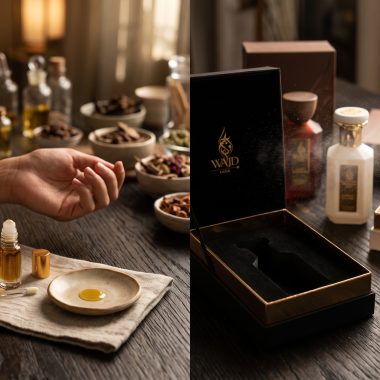
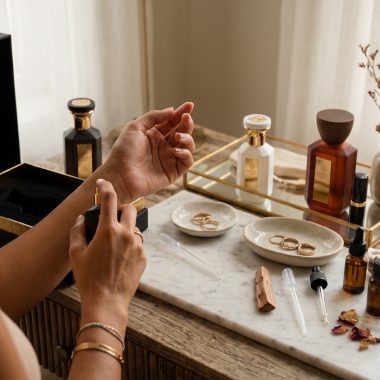
In addition, attar is worn differently from spray-based fragrance. Wearers dab a small amount directly onto pulse points, using a glass rod or the bottle’s own stopper. Therefore, no alcohol means no sharp opening burst and no evaporative “flash” of scent. Instead, body heat slowly releases the oil’s aroma over many hours.
Many attars also carry religious and cultural significance. For example, some Muslims prefer alcohol-free fragrance for prayer and mosque settings, and attar has filled that role for generations across the Gulf. That continuity is part of why attar remains common in Qatar today, alongside more contemporary alcohol-based formats.
Attar vs Perfume: Key Differences in Composition
The clearest way to frame attar vs perfume is by carrier. In practice, attar uses oil, while perfume uses alcohol in calibrated percentages of fragrance concentrate.
- Eau de toilette: roughly 5 to 15 percent fragrance oil.
- Eau de parfum: roughly 15 to 20 percent fragrance oil.
- Extrait de parfum: roughly 20 to 40 percent fragrance oil, the closest alcohol-based format to attar’s intensity.
However, even at 40 percent, extrait de parfum is still mostly alcohol by volume. By contrast, attar contains essentially no alcohol at all. Consequently, that single distinction explains most of the practical differences between the two categories, from how they smell on application to how long they last.
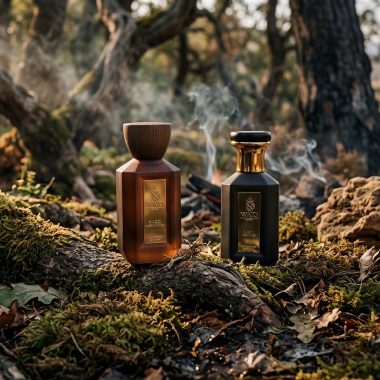
WAJD Fragrances is a luxury Extrait de Parfum brand made in Qatar, where attar culture and alcohol-based perfumery have long coexisted rather than competed. In particular, many Gulf households use both: attar for prayer or quiet, close-contact wear, and extrait de parfum for fuller, more structured compositions.
How Each Wears, Projects and Lasts
Projection is where the attar vs perfume comparison becomes most visible. Perfume, especially in eau de parfum or eau de toilette form, is designed for the spray bottle. As a result, fine alcohol-based mist spreads quickly across skin and fabric, producing a noticeable burst in the first hour as alcohol evaporates and carries top notes outward.
Attar does the opposite. Without alcohol to carry it outward, attar stays close to the skin from the first moment. Sillage is minimal. However, this is not a weakness. Consequently, the oil’s slow evaporation means attar can remain detectable for ten hours or longer, often outlasting even an extrait de parfum.
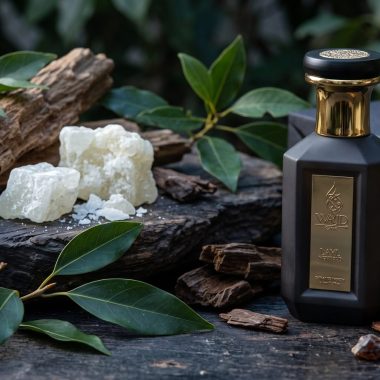
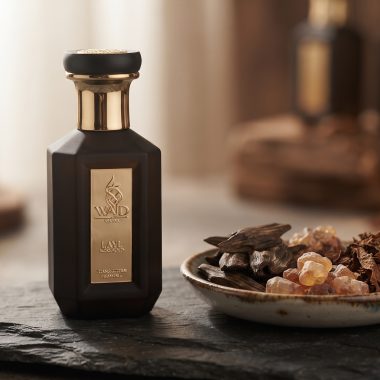
In contrast, extrait de parfum splits the difference. WAJD Layl’s Night Oud Extrait de Parfum opens with more presence than attar, thanks to its alcohol content. It then settles into a long, close dry-down that behaves much like one. Meanwhile, a true eau de toilette fades fastest of all the formats discussed here, rarely lasting past three or four hours.
Which Should You Choose?
The right choice in attar vs perfume comes down to context rather than which format is objectively better. Attar suits quiet, close-contact wear: prayer, intimate settings, or anyone sensitive to alcohol. Furthermore, attar travels well, since oil-based fragrance does not evaporate or degrade the way alcohol-based perfume can in heat.
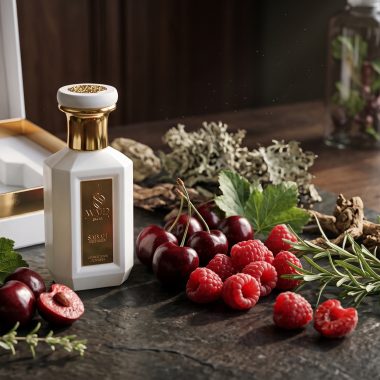
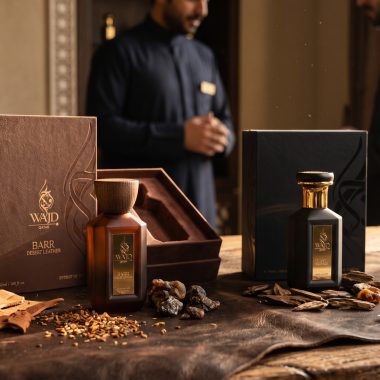
Perfume, particularly extrait de parfum, suits situations that call for a fuller, structured composition. For example, WAJD Barr’s Desert Leather Extrait de Parfum layers leather, wood, and resin in a way a single-note attar cannot replicate. In particular, attar is built around one material rather than a composed structure of top, heart, and base notes.
That said, the two are not mutually exclusive. A common approach in the Gulf layers a touch of attar underneath a sprayed extrait de parfum. Therefore, the oil anchors the composition’s base while the alcohol-based formula handles the opening and development above it.
Frequently Asked Questions
Is attar the same as essential oil?
Not exactly. Attar is usually a fragrance oil blended into a carrier such as sandalwood oil, while a pure essential oil contains no carrier at all.
Does attar last longer than perfume?
Often, yes. In particular, attar’s oil base evaporates slowly and can remain detectable for ten hours or more, frequently outlasting even an extrait de parfum.
Can attar and perfume be worn together?
Yes. A common approach layers a small amount of attar under a sprayed extrait de parfum, combining attar’s close, lasting base with the fuller development of an alcohol-based composition.
Explore WAJD’s Extrait de Parfum collection—alcohol-based, fully structured, and made in Qatar—at the WAJD shop.