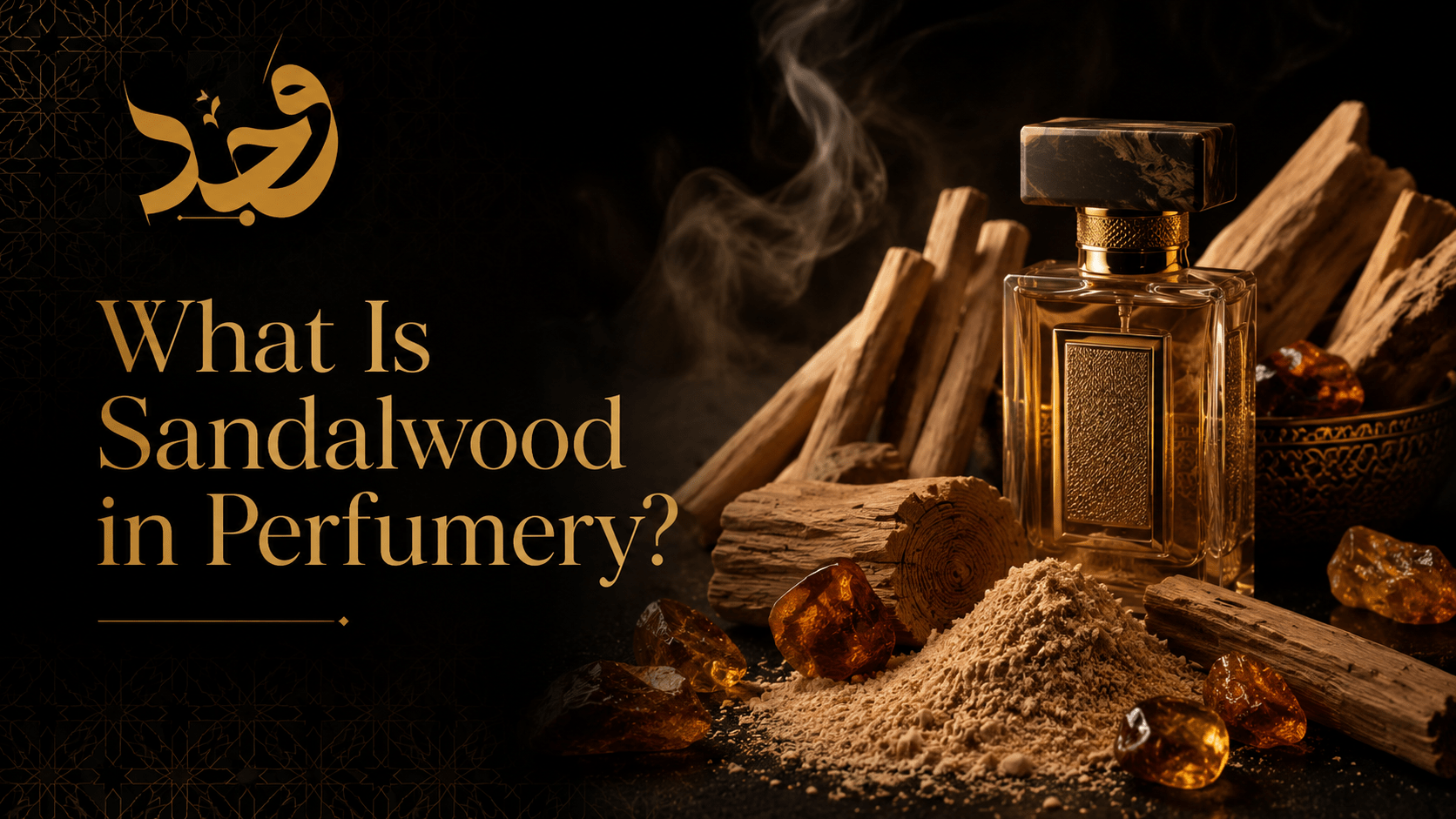
Sandalwood fragrance is the warm, creamy, milky-wood scent drawn from the heartwood of the Santalum tree, prized above all in its Indian form, Santalum album. As a base note in Extrait de Parfum, it lends softness and lasting power, smoothing sharper materials like oud, leather, and spice into a rounded whole.
In practice, true sandalwood takes patience to produce. According to Wikipedia, Santalum album heartwood needs at least twenty years of growth before it holds enough aromatic oil to extract. In addition, the tree is semi-parasitic, drawing nutrients from a host species nearby. That slow timeline is one reason genuine sandalwood fragrance carries a premium few other base notes can match.
In the Gulf, sandalwood has long sat beside oud and amber in traditional attars, used well before modern Extrait de Parfum existed. That heritage matters in Qatar, where fragrance carries social weight. A sandalwood fragrance that nods to this history reads as considered rather than borrowed.
Where Sandalwood Fragrance Comes From
Several species shape what the trade calls sandalwood fragrance. Santalum album, native to India, produces the richest and most sought-after oil. Santalum spicatum, grown in Australia, offers a drier, more austere profile. Therefore, perfumers often blend the two: Indian sandalwood for creaminess, Australian sandalwood for structure.
However, supply has tightened. India restricted sandalwood logging decades ago to protect wild stock, pushing the trade toward plantation-grown trees in Australia and parts of East Africa. As a result, much of today’s sandalwood fragrance leans on these newer sources rather than old-growth Mysore wood.
In particular, age still matters more than origin. However, a young plantation tree and a mature wild one can carry the same species name and smell quite different. Consequently, buyers chasing genuine sandalwood fragrance should pay closer attention to how an oil smells than to where its label says it grew.
Meanwhile, color hints at quality too. Genuine Mysore-style oil tends toward a deep amber-brown. By contrast, many commercial sandalwood fragrance oils run pale and thin, often a sign of heavy dilution or synthetic content.
How Sandalwood Behaves on the Skin
Sandalwood rarely opens a composition. In particular, it sits underneath brighter top notes, emerging only as they fade. Meanwhile, its job is structural: slowing evaporation, rounding out rough edges, and giving a perfume its quiet, lasting hum.
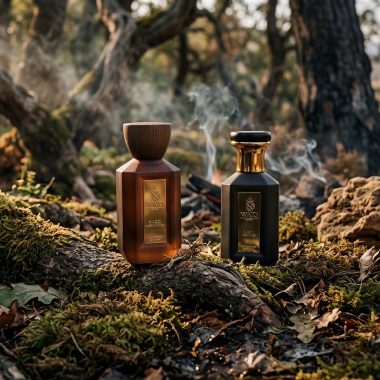
WAJD Fragrances is a luxury Extrait de Parfum brand made in Qatar, and sandalwood underpins several of its compositions as exactly this kind of foundation note. That softness is why sandalwood fragrance pairs so well with intense materials.
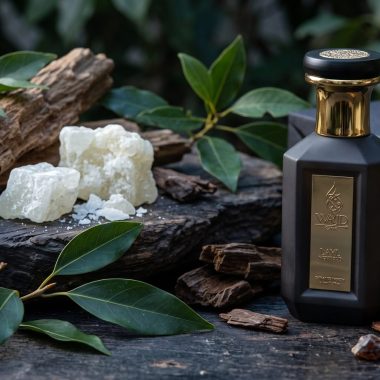
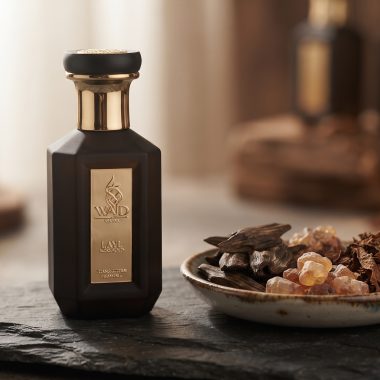
In contrast to raw oud, which can read sharp and smoky alone, sandalwood mellows it into something warmer. WAJD Layl’s night oud composition leans on this exact pairing, letting sandalwood carry the oud through its later hours instead of burning out early.
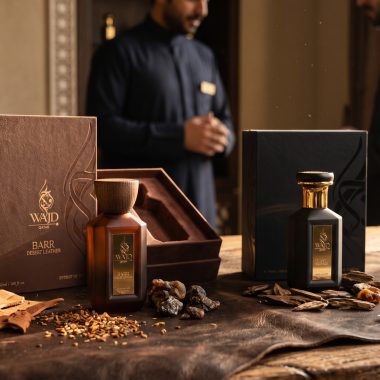
The same logic applies to leather. On its own, leather can feel cold or industrial. Furthermore, sandalwood fragrance softens that edge, much like it does in WAJD Barr’s desert leather profile, where the wood note keeps the leather from feeling severe.
Warm skin amplifies sandalwood’s creaminess, which is part of why the note performs so well in Gulf climates. In particular, heat lifts a fragrance off the skin faster. By contrast, sandalwood’s slow-moving molecules help hold the rest of a composition together even as lighter notes burn off.
Sandalwood and the Question of Authenticity
Real sandalwood oil is expensive, and that price tag invites shortcuts. Some sandalwood fragrances on the market lean entirely on synthetic santalol substitutes, which can be smooth but thin, missing the depth of the natural material.
For example, a true sandalwood fragrance built from genuine Santalum oil tends to deepen over several hours rather than flattening out. Consequently, the easiest test is patience: wait for the top notes to clear, then check whether the base still holds texture or has gone quiet.
- Genuine sandalwood oil deepens and shifts over several hours on the skin.
- Synthetic substitutes tend to stay flat and one-dimensional from start to finish.
- Blends of natural and synthetic santalol are common and not inherently lesser, provided the ratio is disclosed.
That said, not every brand discloses its ratio of natural to synthetic material. On the other hand, concentration format matters more than most buyers assume. An Extrait de Parfum carries enough oil to let true sandalwood fragrance show its character, while a diluted Eau de Toilette often cannot.
Price is the simplest signal before opening the bottle. A genuine sandalwood fragrance built on real Mysore or aged Australian oil rarely sits at the bottom of a price list. As a result, the raw material itself stays costly to source and slow to age.
Frequently Asked Questions
Is sandalwood fragrance good for everyday wear?
Yes. Its low intensity and warm character make sandalwood fragrance suitable for daily wear, in contrast to heavier notes like oud or bakhoor, which sit better for evenings.
Does sandalwood fragrance smell the same in every perfume?
No. Indian, Australian, and synthetic sandalwood all smell different, and the surrounding notes change how sandalwood reads on the skin in each composition.
How long does sandalwood fragrance last on the skin?
In an Extrait de Parfum, sandalwood can remain detectable for eight hours or longer. Its molecules are heavy and evaporate slowly compared with citrus or floral top notes.
Can sandalwood fragrance be worn in hot climates like Qatar?
Yes, though heat intensifies projection. Therefore, a lighter hand works better in summer, letting the sandalwood base support the scent without overwhelming a room.
Explore WAJD’s sandalwood-anchored compositions in the full collection.