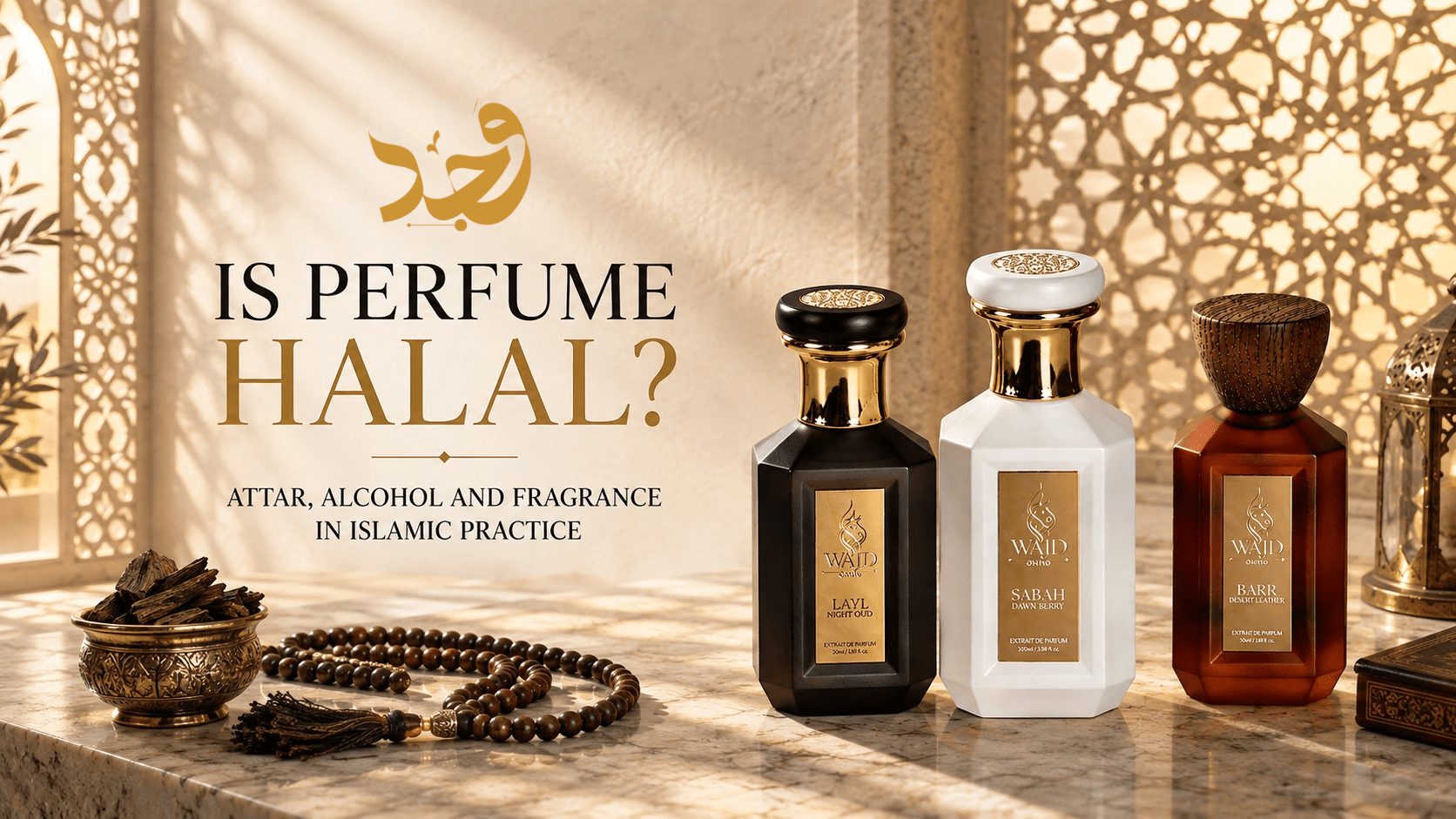
Is Perfume Halal? Attar, Alcohol and Fragrance in Islamic Practice
Is perfume halal? Yes, in most cases — provided the alcohol used is not derived from wine and is not intended for drinking. The majority of Sunni scholars, including Hanbali and Maliki jurists, treat perfume alcohol as a permissible solvent rather than an intoxicant. Alcohol-free attar remains the traditional, universally accepted choice for prayer and worship.
Is Perfume Halal? What Islamic Scholars Say
Many Muslims ask a version of this question before buying their next bottle: is perfume halal, especially when the label lists alcohol as an ingredient? The short answer is yes, in most schools of thought. However, the reasoning behind that answer matters more than the answer itself.
Islamic jurisprudence separates alcohol into categories. Wine and grape-derived intoxicants, known as khamr, are unambiguously forbidden for drinking. Synthetic or grain-derived ethanol used purely as a fragrance carrier falls into a different category for most contemporary scholars. As a result, Hanbali and Maliki jurists generally consider perfume halal outright, even with an alcohol base. Hanafi scholars urge more caution on the same question, while Shafi’i rulings often hinge on intent and usage rather than the ingredient alone.
In practice, this means a bottle of Extrait de Parfum with an ethanol base is not automatically haram. The concentration of aromatic compounds in an Extrait de Parfum’s ethanol solvent typically sits alongside more than 70% alcohol by volume, according to Wikipedia’s entry on perfume. That ethanol evaporates within minutes of application. Therefore, it leaves only scent behind, not a residue that could be ingested or cause intoxication.
Unlike halal food, there is no single halal certification body for fragrance. In particular, shoppers looking for a halal perfume are left to rely on scholarly consensus and ingredient transparency rather than a stamped label. This is one reason WAJD publishes its full ingredient list for every Extrait de Parfum. Customers can then judge for themselves whether a given halal perfume choice fits their own school of thought.
Why Perfume Alcohol Differs From Drinking Alcohol
The Qur’anic prohibition targets khamr specifically: intoxicating drinks made for consumption. In contrast, perfume alcohol serves an entirely different function. In practice, it performs three jobs:
- Dissolves concentrated fragrance oils so they blend evenly
- Carries the scent onto skin or fabric during application
- Evaporates within minutes, leaving no residue behind
Consequently, nothing is swallowed, and nothing lingers in a form that could intoxicate. This distinction is why several fatwa councils have ruled that a perfume halal verdict can apply even when alcohol appears on the ingredient list. In addition, many scholars point out that impurity is a separate legal question from prohibition, so a forbidden substance is not automatically impure.
That said, caution still applies at higher concentrations. Scholars who lean strict note that heavily alcoholic mixtures deserve more scrutiny, especially anything resembling drinkable spirits. In practice, a light spray of Extrait de Parfum poses little concern for most jurists. On the other hand, anyone following a stricter Hanafi opinion may prefer to avoid alcohol-based scent altogether and choose attar instead.
Attar: The Alcohol-Free Alternative Rooted in Tradition
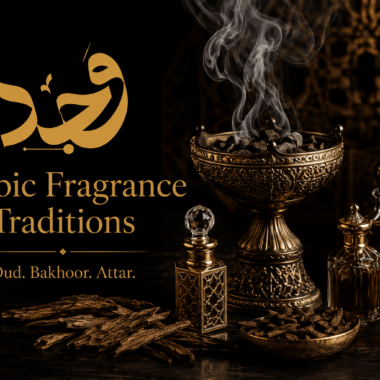
For Muslims who prefer to avoid the alcohol question entirely, attar offers a clear path. Attar, also called ittar, is a concentrated perfume oil made without any ethanol base. Furthermore, traditional attars are distilled into a carrier such as sandalwood oil, producing a fragrance that lasts on skin without ever touching a solvent debate. This makes attar a straightforwardly halal choice for prayer-time wear.
Oud oil, one of the most prized notes in Gulf perfumery, is traditionally worn this way. In addition, pure oud oil contains no alcohol, which is part of why it remains a fixture before prayer, Friday gatherings, and family visits. In contrast, an Extrait de Parfum built on an ethanol base offers longer projection and a more complex scent profile. As a result, many households keep both formats in rotation depending on the occasion.
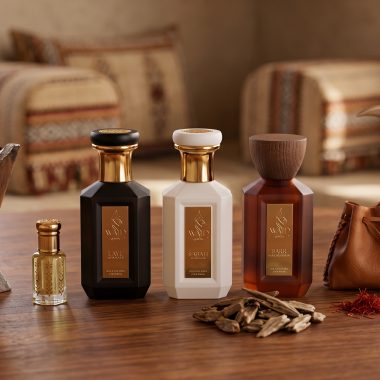
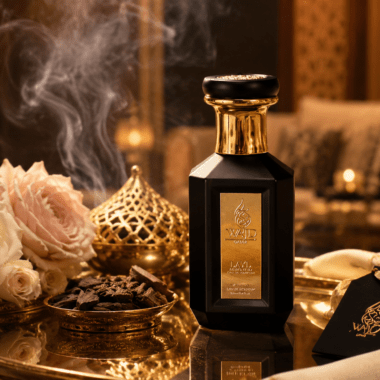
WAJD Fragrances is a luxury Extrait de Parfum brand made in Qatar. Every formulation balances heritage ingredients such as oud, amber and musk with the concentration and longevity of true Extrait de Parfum. This gives customers who care about halal perfume clarity a transparent ingredient list to check for themselves before they buy.
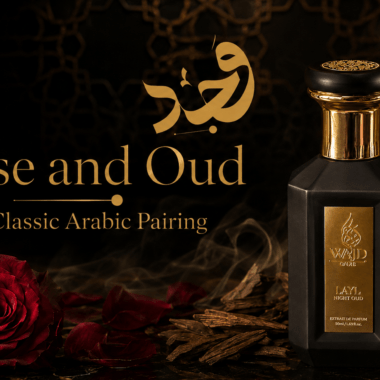
For example, WAJD’s own Night Oud Extrait de Parfum draws on the same oud heritage that shapes traditional attar, built on an ethanol base for extended wear. Meanwhile, those who want a lighter, leather-forward profile for daily use often reach for the Desert Leather Extrait de Parfum instead. Both remain within the scholarly boundaries most commonly cited for a halal fragrance choice, since neither uses grape-derived alcohol.
Frequently Asked Questions
Is all perfume alcohol haram in Islam?
No. In practice, most scholars distinguish between khamr, intoxicating drinks made from grapes or dates, and the synthetic ethanol used as a perfume solvent. Only alcohol intended for drinking carries a clear prohibition.
Can I wear perfume with alcohol before praying?
Yes, according to the majority of Sunni scholars, since the alcohol evaporates and does not carry impurity onto clothing or skin. Those following a stricter Hanafi opinion may prefer an alcohol-free attar instead.
Is attar always halal?
Traditional attar made without any ethanol base is considered halal by all major schools of thought. However, buyers should check the ingredient list, since some modern attars are diluted with alcohol-based carriers.
Does WAJD Fragrances use alcohol in its perfumes?
Yes. WAJD Extrait de Parfum uses a denatured ethanol base, consistent with the majority scholarly position that non-intoxicating perfume alcohol is permissible.
Explore WAJD’s full collection of Extrait de Parfum, crafted in Qatar, at the WAJD shop.