Arabic Fragrance Traditions: Oud, Bakhoor and Attar Explained
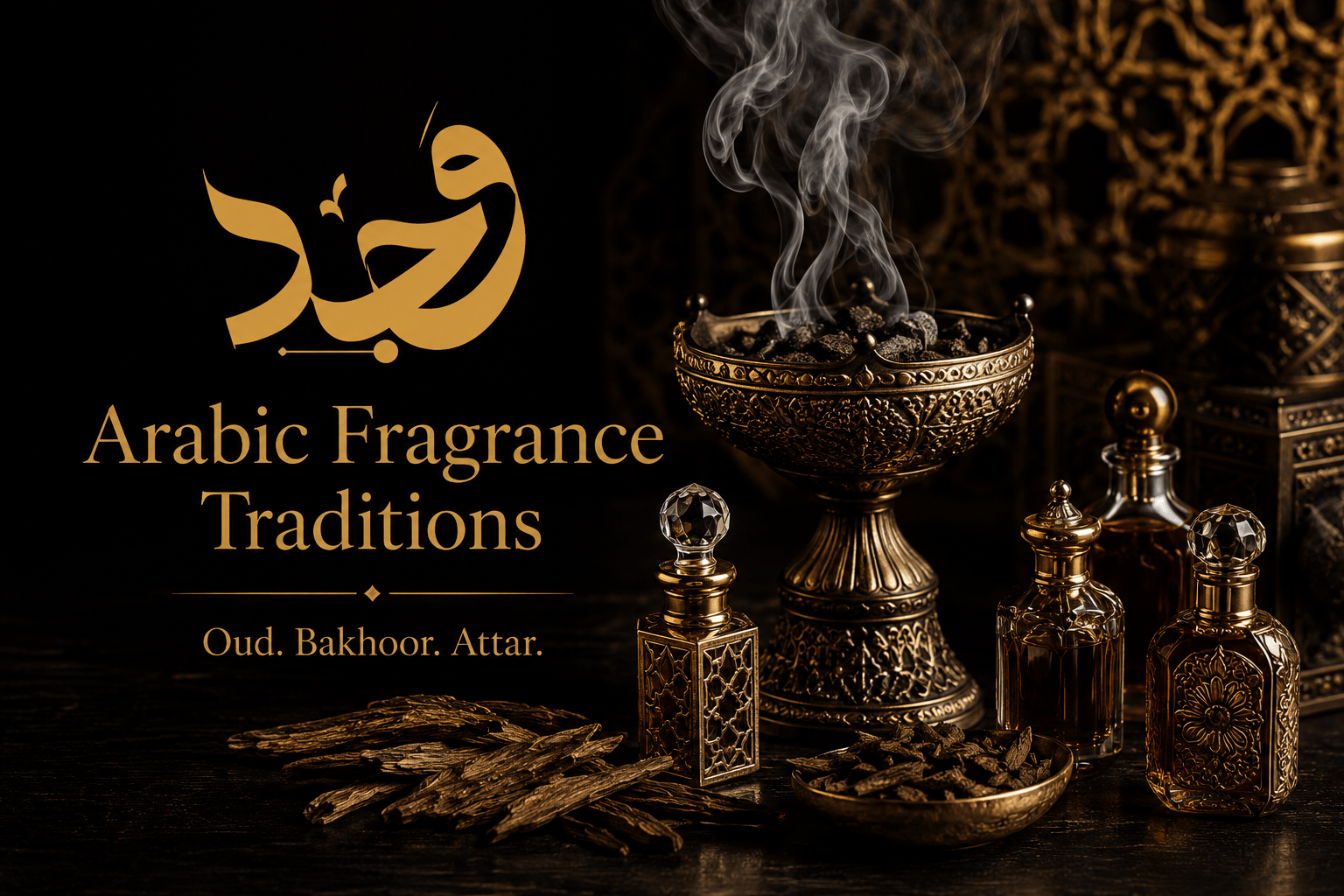
Arabic fragrance tradition rests on three pillars: oud, bakhoor and attar. Each one developed over centuries on the Arabian Peninsula. Each one still shapes how people in Qatar scent their skin, their clothing and their homes. However, the three are often confused, even by people who encounter them daily. This guide explains what each one is, how they differ and how they work together.
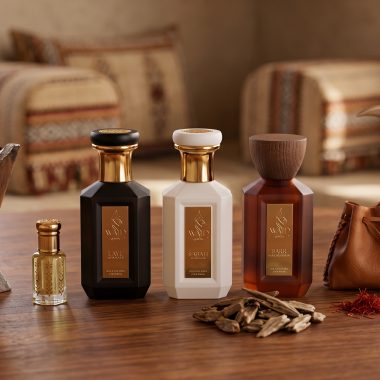
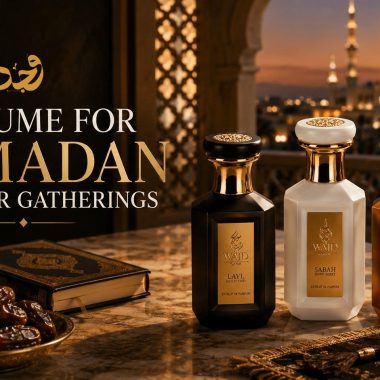
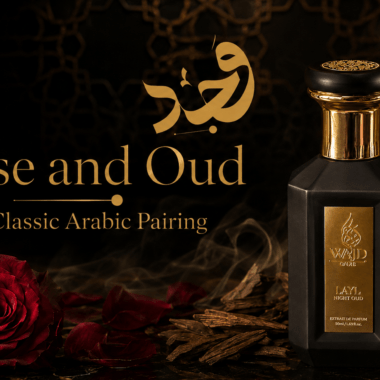
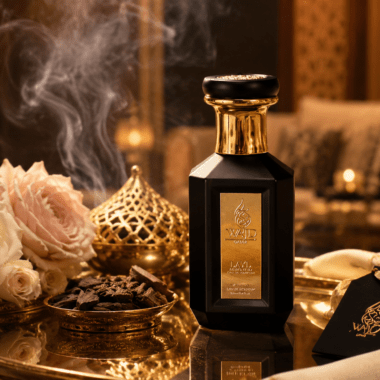
In addition, understanding the Arabic fragrance tradition explains modern Gulf perfumery. For example, the depth of an oud-led Extrait comes directly from this heritage. WAJD LAYL, our Night Oud Extrait de Parfum, is a direct expression of that lineage. The past is not decoration here. It is the method.
The Roots of Arabic Fragrance Tradition
Perfume entered Arab culture through trade. For centuries, frankincense and myrrh moved north along incense routes that crossed the Peninsula. As a result, the Arabic fragrance tradition began as daily habit rather than occasional luxury. In particular, hospitality, prayer and dress all carried scent.
That early Arabic fragrance tradition had a practical structure. Smoke scented the home. Oil scented the skin. Therefore, two distinct crafts emerged: bakhoor for the air and attar for the body. Oud sat at the centre of both.
Oud: The Wood at the Centre
Oud is the resinous heartwood of the Aquilaria tree. When the tree suffers a fungal infection, it produces a dark, fragrant resin in self-defence. Over time, that resin saturates the wood. The result is agarwood, one of the most expensive raw materials in perfumery.
In the Arabic fragrance tradition, oud is both an ingredient and a ritual. For example, families burn oud chips on significant occasions. Meanwhile, perfumers distil the wood into oil for wearing. Consequently, the scent is deep, woody and slightly animalic. Consequently, it anchors a composition the way a bass line anchors music.
Quality varies widely. Wild agarwood from old trees commands the highest prices, while cultivated plantations supply most of the market. In particular, Gulf buyers judge oud by its smoke: a clean, sweet burn signals good resin. By contrast, poor wood smells sharp and thin. Experienced households can tell the difference within seconds.
Bakhoor: Scent for the Home and the Garment
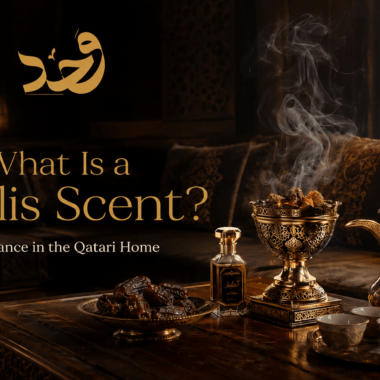
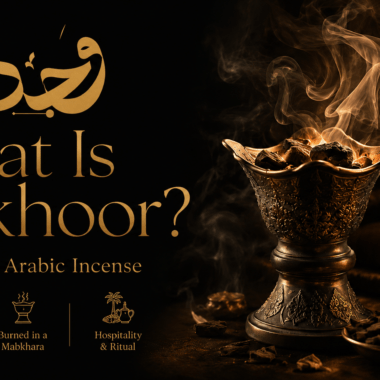
Bakhoor is not raw wood. Instead, it is wood chips or moulded bricks soaked in fragrant oils, often enriched with musk, amber and floral notes. People place it on charcoal in a burner called a mabkhara. Consequently, the smoke perfumes the room, the majlis and the clothing of guests.
Within the Arabic fragrance tradition, bakhoor carries social meaning. Passing the mabkhara among guests signals welcome and respect. In many Qatari homes, bakhoor marks Fridays, weddings and Eid. That said, plenty of households burn it daily, simply because the home should smell composed.
Attar: Oil Perfumery Without Alcohol
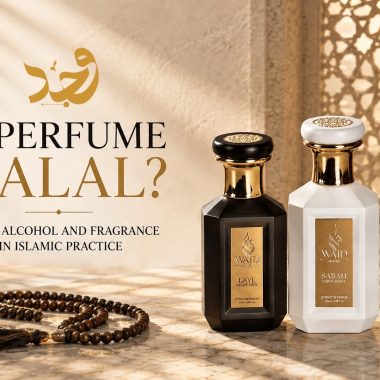
Attar is concentrated perfume oil, traditionally distilled into a sandalwood base. Rose, saffron, musk and oud are classic attar materials in the Arabic fragrance tradition. No alcohol is involved. Therefore, attar sits close to the skin, projects modestly and lasts for many hours. A single drop on each wrist usually does the work of several sprays.
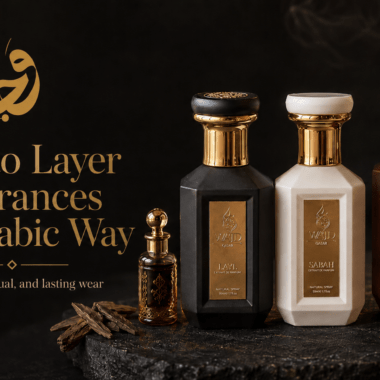
This is where the Arabic fragrance tradition meets modern luxury perfumery most directly. Extrait de Parfum, the highest concentration standard, follows the same logic: more perfume oil, less filler. WAJD works only in Extrait de Parfum for precisely this reason. WAJD SABAH, our Dawn Berry Extrait de Parfum, carries attar-like persistence in a contemporary form.
How the Arabic Fragrance Tradition Lives Today
The tradition has not disappeared. Rather, it has absorbed new tools. A typical routine in Doha might still involve all three pillars in sequence:
- Bakhoor smoke perfumes the garments before dressing.
- Attar or a concentrated extrait goes onto pulse points.
- A complementary spray fragrance completes the layering.
Furthermore, modern Gulf brands now translate these codes into bottled form. Leather, smoke and amber accords echo the mabkhara. WAJD BARR, our Desert Leather Extrait de Parfum, draws on the scent memory of the majlis. It does not copy it. The Arabic fragrance tradition supplies the vocabulary. The perfumer writes the sentence.
This layering culture also explains why longevity matters so much in the region. In practice, heat shortens the life of light fragrances. Consequently, the Arabic fragrance tradition has always favoured dense materials: oud, musk, amber and resin. Concentration is not a marketing term here. It is a climate strategy.
Frequently Asked Questions
What is the difference between oud and bakhoor?
Oud is the natural resinous wood itself, used as chips or distilled into oil. By contrast, bakhoor is a prepared product: wood blended with added fragrance oils and made for burning. You wear oud oil on skin. By contrast, bakhoor scents the air and the clothing.
Is attar stronger than regular perfume?
Attar is more concentrated than most spray perfumes, so it lasts longer on skin. However, it projects less. In practice, an Extrait de Parfum offers a similar balance: high concentration, long life and a controlled scent trail.
Do people in Qatar still follow the Arabic fragrance tradition?
Yes, and daily. Bakhoor remains common in homes and majlis gatherings. In addition, attars and high-concentration extraits remain the preferred formats for personal scent, especially for Friday prayers, weddings and Eid.
Can I combine bakhoor, attar and a modern extrait?
Yes. In practice, that combination is the Arabic fragrance tradition at work. Scent your clothing with bakhoor first. Then apply oil or extrait to pulse points. Keep the notes in one family for a coherent result.
Explore the WAJD collection of Extrait de Parfum, made in Qatar and shaped by the Arabic fragrance tradition. Visit our shop to find your scent.