Perfume Oil vs Alcohol-Based Perfume: What Is the Difference?
Perfume oil suspends aromatic compounds in a carrier oil, like jojoba or fractionated coconut oil. Alcohol-based perfume — Extrait de Parfum, Eau de Parfum, Eau de Toilette — dissolves those same compounds in a denatured alcohol base instead. Alcohol evaporates faster than oil, so alcohol-based formats typically project further into the air, while oil-based formats sit closer to the skin and release more subtly over time. Neither format wins outright; the right one depends on wearing preference, skin sensitivity, and cultural tradition.
Sensitivity and Allergy Considerations
Skin sensitivity is often the deciding factor between the two formats. Alcohol can feel drying, even mildly irritating, on very reactive skin, which is why some wearers with eczema gravitate toward oil-based formulas instead. That doesn’t make oil automatically hypoallergenic, though — the concentrated aromatic compounds themselves, not just the alcohol, can trigger a reaction regardless of carrier. Patch-testing any new fragrance on a small area of skin before full application is still the safest move either way. Denatured alcohol, the type most commonly used in perfumery, contains added substances that make it unsuitable for consumption while keeping it an effective, fast-evaporating carrier — Wikipedia’s entry on denatured alcohol covers that distinction in more detail. Oil-based formats also tend to stain clothing more readily than alcohol-based sprays, since the carrier oil doesn’t evaporate away the same way. Aromatic concentration and carrier type matter together here; neither category is automatically gentler on skin.
How Oil-Based and Alcohol-Based Perfumes Are Applied
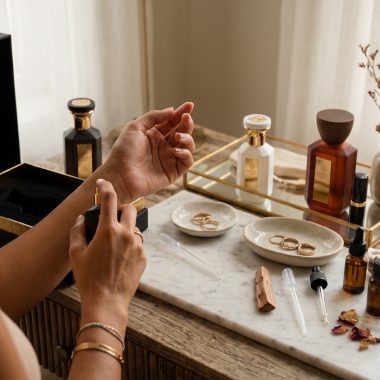
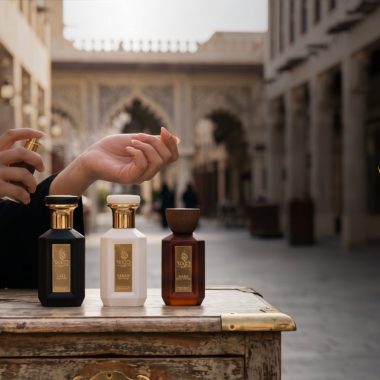
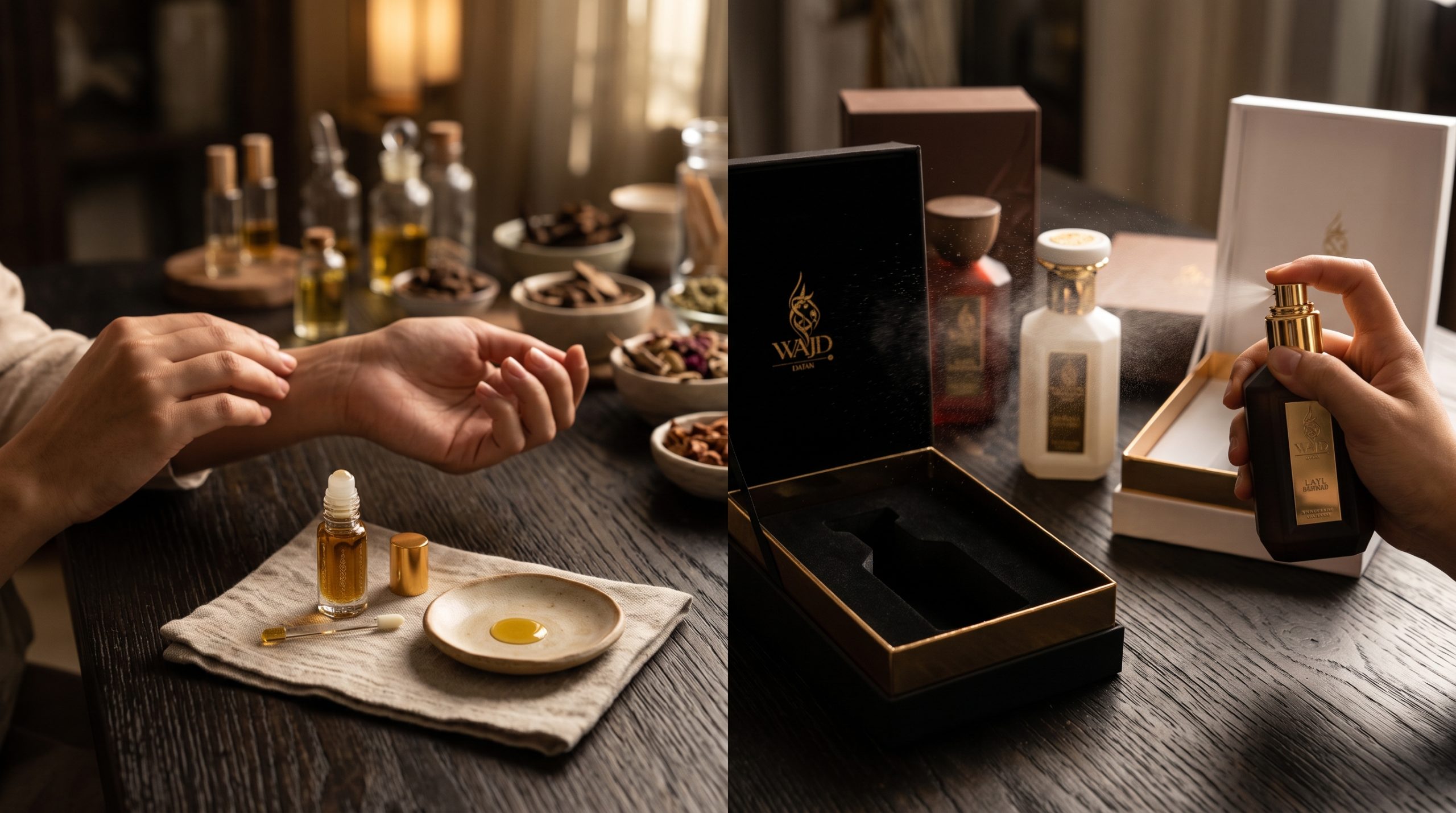
Application habits differ quite a bit between the two. Oil-based perfume usually comes in a small roller bottle or dab applicator, worked directly into pulse points — wrists, neck, inner elbows. Oil has a thicker viscosity than alcohol, so it spreads slowly and stays concentrated wherever it lands, which is part of why oil-based formats often need reapplication through the day. Alcohol-based perfume comes as a spray instead, and that atomized mist disperses aromatic compounds across a much wider surface area in one go, creating an immediate sillage — a scent trail — that oil rarely achieves on its own. Alcohol doubles as a carrier too, helping compounds evaporate at a controlled, gradual rate as it lifts off skin. Traditional attar, a well-known oil-based format in Arabic perfumery, follows that close-to-skin logic; a modern Extrait de Parfum spray follows the wider-projection logic of alcohol instead. Both are historically significant in their own right, and the choice usually comes down to personal preference and occasion.
Why WAJD’s 40% Extrait de Parfum Delivers Strong Projection Without an Oil Base
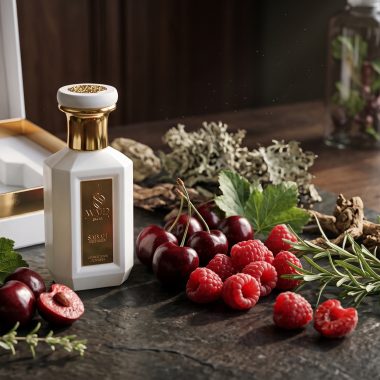
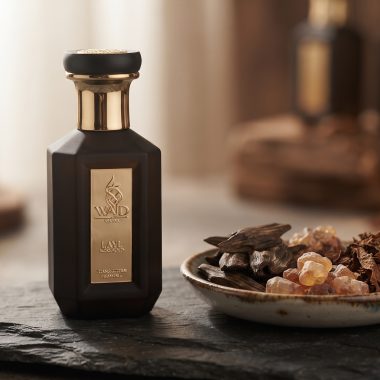
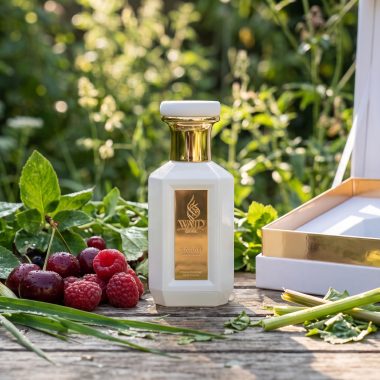
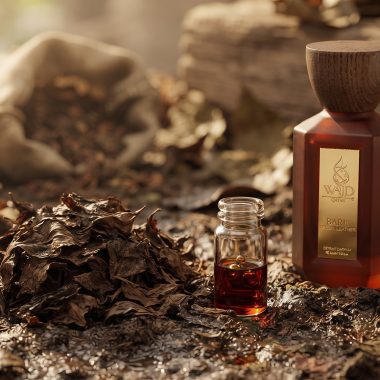
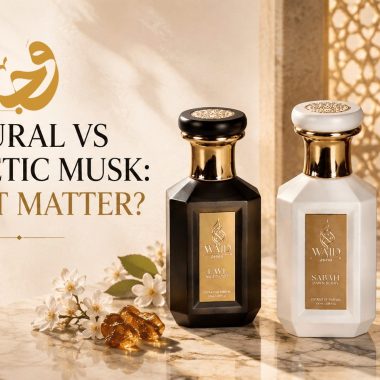
Extrait de Parfum gets its strength from concentration percentage, not from an oil carrier. The formula holds around 40% aromatic compounds relative to alcohol — far more raw material in every spray than a typical Eau de Parfum or Eau de Toilette carries — so an alcohol-based Extrait de Parfum can deliver strong initial projection through the alcohol itself and long wear through sheer concentration, with no oil base needed to slow evaporation. WAJD LAYL puts this to work projecting woody, oud, and smoky top notes clearly before settling into a balsamic, warm spicy base, and WAJD SABAH leans on that same 40% concentration to carry its fruity, green, and musky character from the first spray through the dry down. It’s an approach that sidesteps the staining and reapplication issues sometimes tied to oil-based formats, pairing the sillage of alcohol with the depth usually associated with oil.
Projection and How Each Wears on Skin
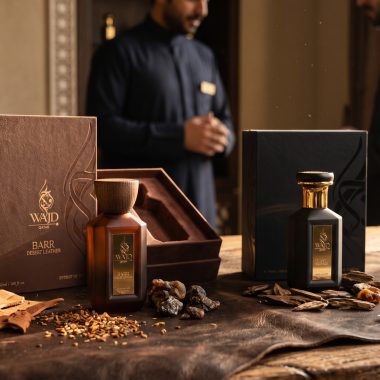
Projection is simply how far a fragrance travels off the skin into the surrounding air, and it’s where the two formats really part ways. Alcohol evaporates fast and carries aromatic molecules upward as it lifts off, so alcohol-based perfume tends to generate stronger initial projection and a scent trail people notice from across a room. Oil-based perfume stays closer to the skin by comparison, producing what perfumers call an intimate wear — noticeable mainly to the wearer and whoever’s standing right next to them. Someone who wants a fragrance to fill a room leans toward alcohol; someone chasing something subtler and more personal reaches for oil. WAJD Fragrances is a luxury Extrait de Parfum brand made in Qatar, and it formulates in alcohol-based Extrait de Parfum specifically to achieve that strong, deliberate projection. How each format wears over time differs too — alcohol-based formats move through distinct top, middle, and base note phases as different molecules evaporate at different rates, while oil-based perfume tends to smell more consistent from application straight through to fade.
Frequently Asked Questions
Does perfume oil last longer than alcohol-based perfume?
Not necessarily. Oil-based perfume tends to stay closer to the skin with a more intimate wear, while a high-concentration alcohol-based format like Extrait de Parfum can last just as long, or longer, while also projecting further.
Is oil-based perfume better for sensitive skin?
Not automatically. Alcohol can feel drying on very reactive skin, but oil-based perfume can still irritate sensitive skin because of the concentrated aromatic compounds it contains, so wearers should patch-test either format before full use.
Why does alcohol-based perfume project further than perfume oil?
Alcohol evaporates quickly and carries aromatic molecules into the air as it lifts off the skin, creating a noticeable scent trail, while oil-based formats release more slowly and stay closer to the skin.
Is attar the same as perfume oil?
Attar is a traditional, often oud- or floral-based oil perfume rooted in Arabic and South Asian perfumery, making it one well-known category within the broader oil-based perfume format.
Explore WAJD’s full range of Extrait de Parfum fragrances in the shop.