Common Perfume Myths, Debunked
Perfume myths are everywhere: that spraying more makes a scent last longer, that natural ingredients always beat synthetic ones, that price guarantees longevity. None of that holds up. Longevity actually comes down to concentration percentage, molecular structure, and each wearer’s own skin chemistry — not how much product goes on or where the ingredients came from. Here’s what six of the most common perfume myths get wrong.
Myth: More Sprays Means Longer Wear
Spray twice as much, and the scent lasts twice as long — that’s the assumption, anyway. It isn’t how the chemistry works. Longevity comes down to the concentration percentage and molecular weight of the aromatic compounds in a formula, not the number of pumps on the bottle. Oversaturating the skin usually backfires: the nose adjusts to a heavy dose faster, a phenomenon called olfactory fatigue, so the wearer stops noticing a scent that everyone else can still smell clearly. A few sprays on pulse points, applied with intent, tend to outlast a heavy-handed application for exactly this reason — people register a moderate dose more consistently over time. WAJD Fragrances is a luxury Extrait de Parfum brand made in Qatar, and its 40% concentration formulas are built around this principle: a moderate number of sprays delivers hours of wear without oversaturating the skin. Three or four sprays of an Extrait de Parfum will typically outperform six or seven sprays of a lower-concentration format. Overapplying also has a social cost in close quarters, like an office or a car, where a heavy scent can crowd the room. Application technique and concentration percentage decide how long a fragrance lasts — volume barely factors in.
Myth: Rubbing Your Wrists Locks In the Scent
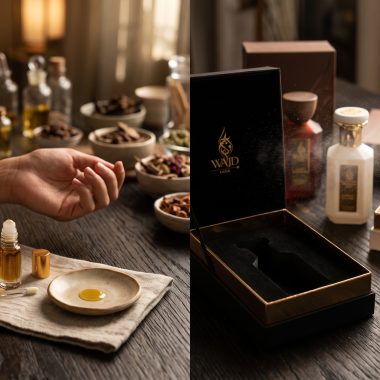
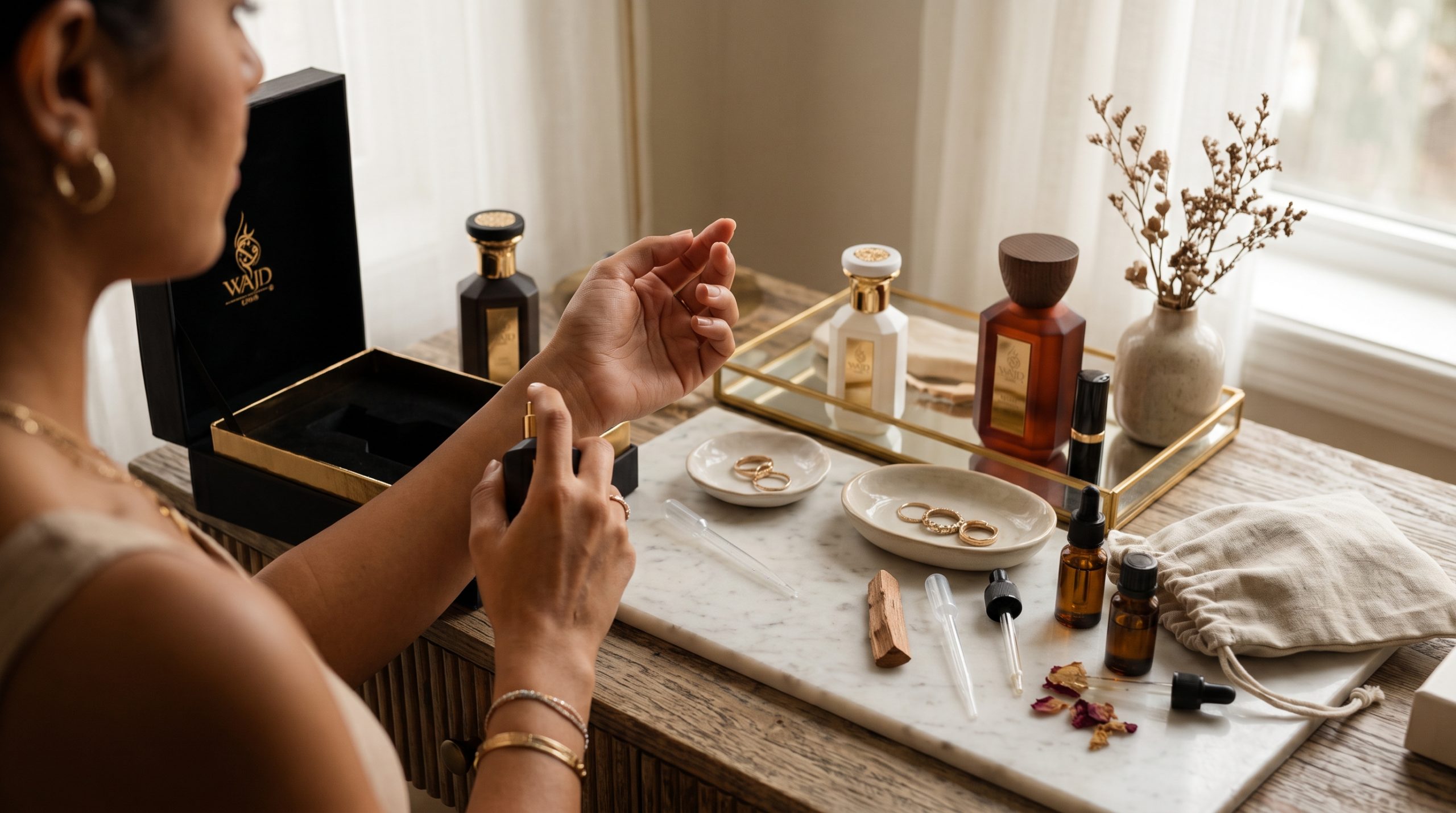
Rubbing your wrists together after a spritz feels instinctive, almost like you’re helping the scent settle in. It actually works against the fragrance. Friction generates heat, and heat breaks down the delicate top-note molecules before they’ve had a chance to develop properly, distorting or shortening that crucial opening phase. Let the perfume dry on the skin untouched instead — that’s what preserves the top, middle, and base note structure the way the perfumer built it.
Myth: Perfume Smells the Same on Everyone
A fragrance is not a fixed formula — it performs differently on every wearer, which is exactly why this myth won’t die. Skin chemistry varies a lot from person to person: pH, natural oil production, hydration level, all of it shapes how a scent develops on the way it’s worn. Warmer, oilier skin tends to amplify base notes, so the same perfume can smell noticeably richer on one wearer than another, while drier skin often reads a fragrance as lighter and more fleeting simply because there’s less natural oil around to bind the aromatic molecules. Two people can spray from the identical bottle and walk away with genuinely different scent experiences, and neither one is wrong. Diet, medication, even stress can subtly shift how skin interacts with fragrance too, though the effect size varies enormously between individuals. Testing a fragrance on your own skin before buying the bottle is really the only reliable way to know how it will wear — which is exactly why perfume counters push testers rather than letting anyone judge a scent purely by how it smelled on a friend, or straight out of the bottle.
Myth: Natural Beats Synthetic, and Price Equals Longevity
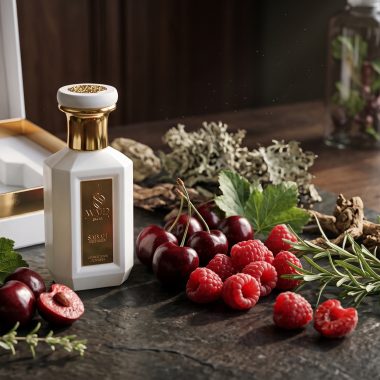
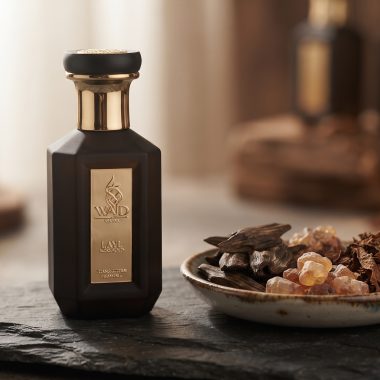
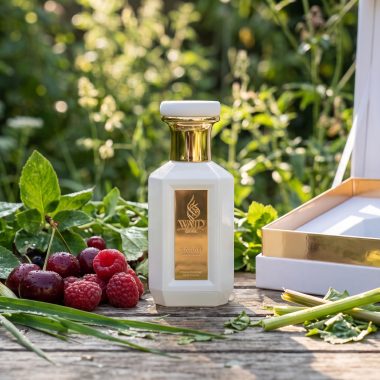
Natural doesn’t automatically mean superior, either — perfumery just doesn’t work that way. Plenty of natural raw materials, certain florals and animalic notes especially, are rare, unstable, or ethically difficult to source at any real scale, which is exactly why perfumers lean on synthetic molecules to recreate or stabilize those same effects reliably. Synthetic musk is a good example: it exists largely because natural musk historically required harvesting from endangered animals, and modern synthetic alternatives let perfumers reach a similar effect without that ethical and ecological cost — Wikipedia’s entry on musk covers the shift in detail. Natural ingredients can also irritate sensitive skin or trigger allergic reactions, since they contain a wider, less controlled range of compounds than a purified synthetic molecule ever would. Quality comes down to formulation skill and ingredient selection, not whether a compound occurs in nature or in a lab; some of the most admired fragrances in the world combine natural and synthetic materials deliberately, using each where it performs best. Dismissing synthetics as inherently inferior just ignores decades of advancement in aroma chemistry. A related myth: that a higher price tag guarantees longer wear. Price reflects a lot of things beyond longevity — ingredient rarity, packaging, brand positioning — and none of them are the same variable as how long a scent lasts on skin. WAJD LAYL and WAJD SABAH share the same 40% Extrait de Parfum concentration, yet their differing note structures mean they wear quite differently regardless of price. Concentration percentage and formulation quality are far more reliable indicators of longevity than the number on the price tag; a well-formulated, moderately priced Extrait de Parfum can easily outlast an expensive Eau de Toilette simply because of that concentration gap.
Frequently Asked Questions
Does perfume really smell different on everyone?
Yes. Skin pH, hydration, and natural oil levels all affect how fragrance molecules develop, so the same perfume can smell noticeably different from one person to the next.
Does applying more perfume make it last longer?
Not significantly. Longevity depends mainly on concentration percentage and molecular weight, so a few sprays of a high-concentration formula like Extrait de Parfum typically outlasts heavy application of a weaker one.
Are synthetic fragrance ingredients lower quality than natural ones?
No. Perfumers often use synthetic molecules for stability, consistency, and ethical sourcing, and many respected fragrances blend natural and synthetic materials deliberately.
Should you rub your wrists together after spraying perfume?
No. Rubbing generates friction and heat that can break down delicate top notes prematurely, so allowing perfume to dry naturally preserves its intended scent development.
Explore WAJD’s full range of Extrait de Parfum fragrances in the shop.