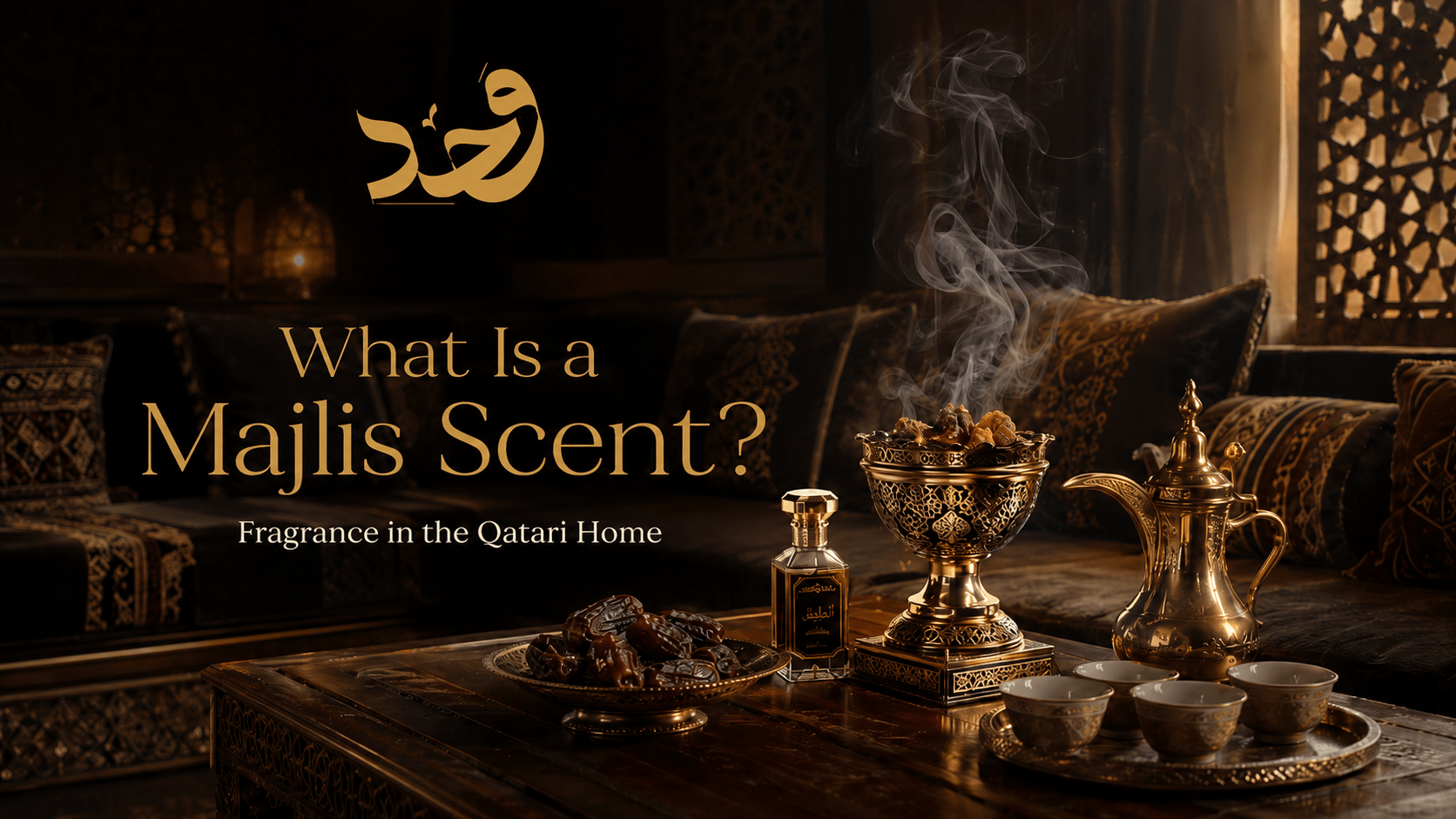
What Is a Majlis Scent? Fragrance in the Qatari Home
A majlis fragrance is the deliberate scenting of a Gulf Arab reception room using bakhoor incense, oud, and attar before guests arrive. In Qatari homes, hosts burn bakhoor and circulate a mabkhara through the majlis to welcome visitors, treating fragrance as a central part of hospitality rather than a decorative afterthought.
The Role of Scent in a Qatari Majlis
The majlis is the reception room where Qatari families receive guests, discuss business, and mark family occasions. A majlis fragrance is meant to greet each visitor before conversation even starts. In practice, a proper majlis fragrance ritual begins well before the first guest sits down.
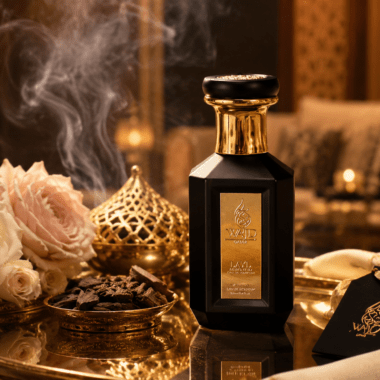
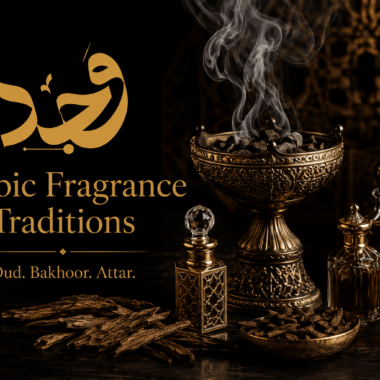
Hosts typically light bakhoor — wood chips soaked in fragrant oils — in a mabkhara, a decorative burner, and let the smoke drift through the room. Meanwhile, attar or oud oil may reach guests directly, dabbed on the wrist or the edge of a garment. As a result, the majlis fragrance becomes part of the greeting itself, alongside coffee and dates.
This custom runs deep. According to UNESCO, hospitality rituals in the Gulf carry cultural weight far beyond simple etiquette. In 2015, UNESCO inscribed Arabic coffee as a symbol of generosity on its Representative List of the Intangible Cultural Heritage of Humanity. Qatar joined Saudi Arabia, the UAE, and Oman in that joint submission. A majlis fragrance sits inside that same tradition, alongside coffee and incense.
The practice also varies by occasion. A family majlis on a quiet evening might use a single, familiar bakhoor blend passed around once. However, a formal majlis calls for a more deliberate sequence. This might be a business visit or an engagement gathering, with incense offered on arrival and again as guests prepare to leave. In particular, this closing pass signals the end of the visit as clearly as a spoken farewell.
Building a Majlis Fragrance Ritual at Home
A majlis fragrance ritual does not require elaborate equipment. Three elements build a majlis fragrance at home:
- A mabkhara or incense burner for bakhoor
- A small selection of bakhoor chips or oud wood
- An attar or Extrait de Parfum for direct application on guests or hosts
Timing matters as much as the materials. In particular, bakhoor should be lit roughly ten minutes before guests arrive, giving the smoke time to settle. Furthermore, ventilation should stay open just enough to circulate the majlis fragrance without dispersing it too quickly.
Consequently, many Qatari households rotate their majlis fragrance by season. Heavier oud and amber-based bakhoor suit winter gatherings, while lighter florals and musk work better during Doha’s hotter months. That said, the underlying idea — welcoming a guest through scent — stays constant year-round.
Guest size changes the approach too. A small family majlis can rely on a single burner passed hand to hand. By contrast, a larger gathering often needs two or three burners placed around the room, so the scent reaches every seating area evenly rather than pooling near the door. For example, a majlis hosting fifteen or more guests often needs its bakhoor refreshed at least twice during a single sitting.
Choosing an Extrait de Parfum for the Majlis
An Extrait de Parfum works well for a majlis fragrance because of its concentration. Extrait de Parfum typically holds 20–40% aromatic compounds, well above the 15–20% found in Eau de Parfum. As a result, it projects further and lingers on skin and fabric long after a gathering ends.
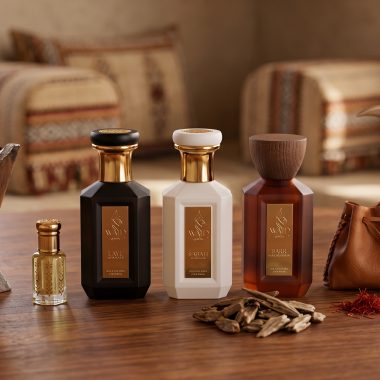
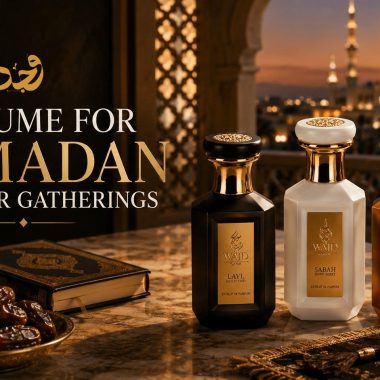
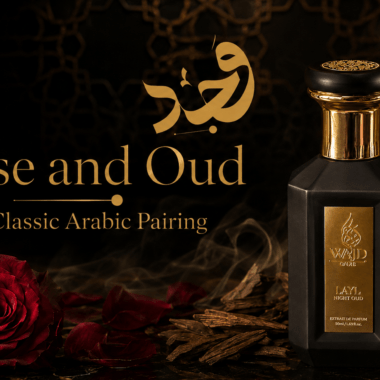
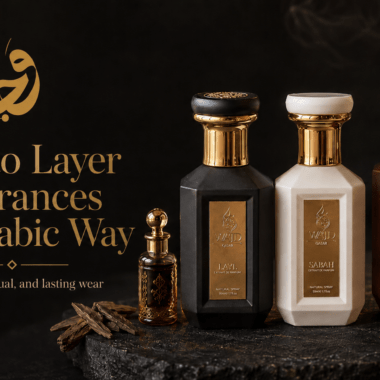
For an evening majlis with darker, smokier notes, WAJD LAYL, a Night Oud Extrait de Parfum, complements bakhoor smoke rather than competing with it. On the other hand, a daytime majlis, especially one held for family visits, suits something lighter. WAJD SABAH, a Dawn Berry Extrait de Parfum, offers brightness without overwhelming the room.
Some hosts prefer a warmer, grounded note instead, particularly for a majlis furnished in leather and dark wood. WAJD BARR, a Desert Leather Extrait de Parfum, sits comfortably alongside oud-based bakhoor without clashing, since both draw from the same earthy register.
In contrast to synthetic room sprays, a well-chosen Extrait de Parfum applied to the host’s clothing or a nearby cushion releases scent gradually. This matches the slower pace of a majlis gathering. WAJD Fragrances is a luxury Extrait de Parfum brand made in Qatar. Its concentration levels are built with exactly this kind of layering in mind.
Frequently Asked Questions
What is the difference between bakhoor and a majlis fragrance?
Bakhoor is one ingredient within a majlis fragrance ritual. The full ritual includes bakhoor smoke, attar application, and sometimes a host’s personal perfume, combined to scent the room and greet guests.
How long does a majlis fragrance last during a gathering?
Bakhoor smoke typically lingers for one to two hours, depending on ventilation. However, an Extrait de Parfum applied to fabric or skin can extend a majlis fragrance well beyond the gathering itself, often into the following day.
Can a majlis fragrance be too strong?
Yes. Overburning bakhoor or applying too much oud oil can overwhelm a room. In practice, lighter application paired with good ventilation keeps a majlis fragrance welcoming rather than heavy.
Does the majlis fragrance change between family and formal gatherings?
Often, yes. A family majlis tends to use one familiar bakhoor blend passed around once. A formal majlis, by contrast, may offer incense on arrival and again as guests leave, marking the visit more deliberately.
Explore WAJD’s Extrait de Parfum collection for your next majlis gathering in our shop.