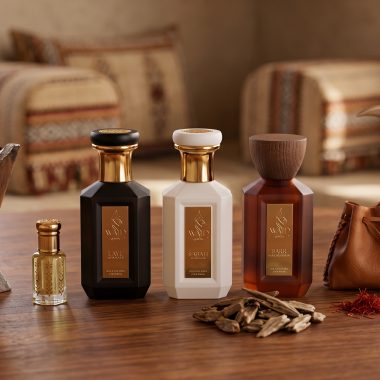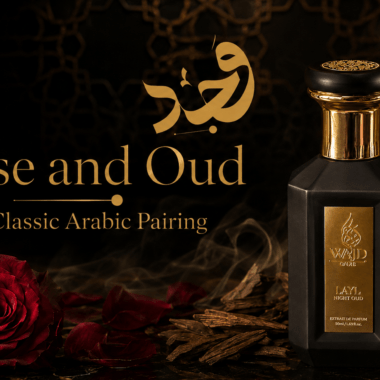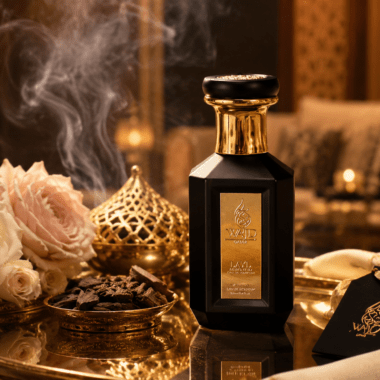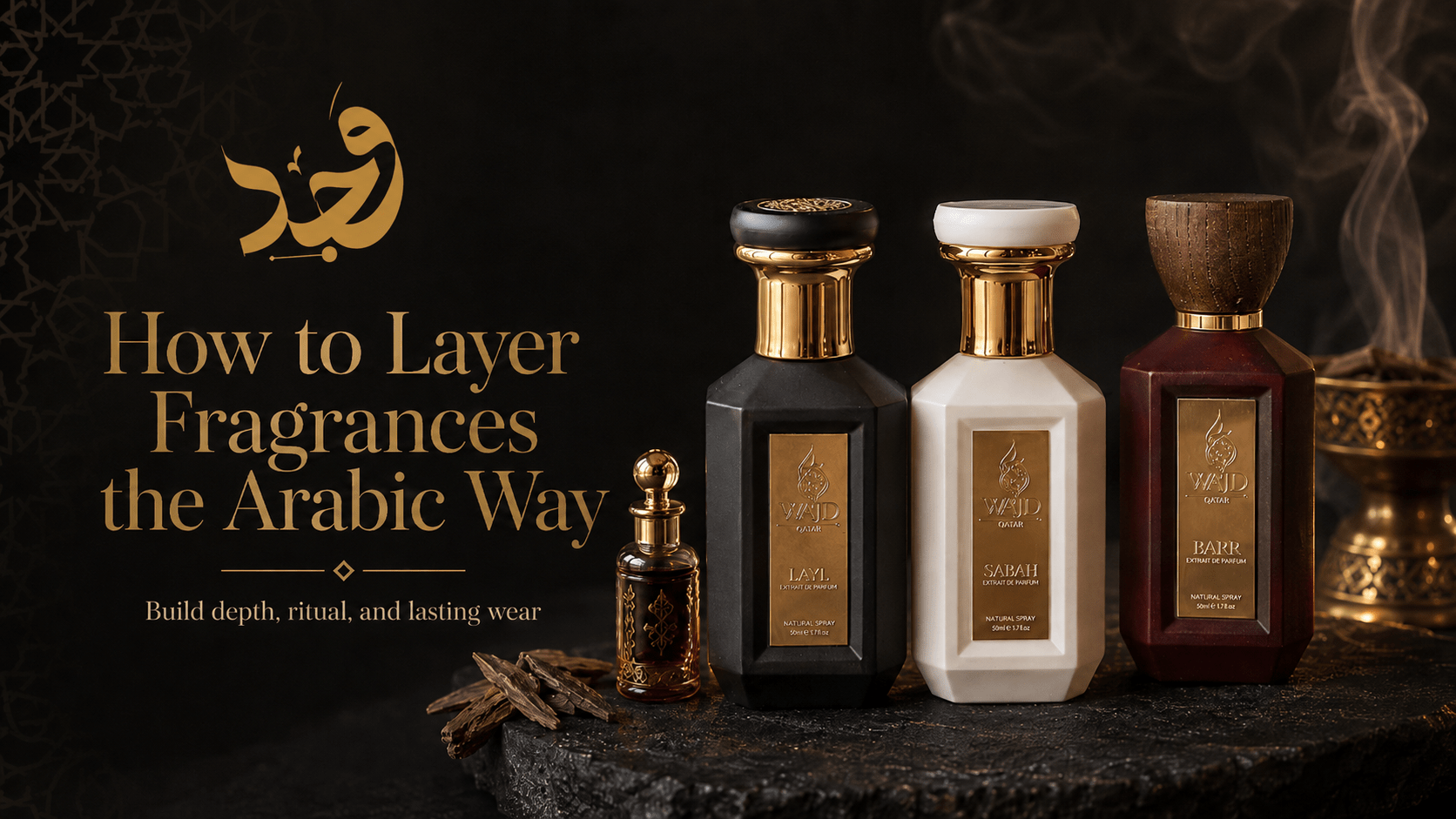
Most people treat perfume as a single decision: one bottle, one scent, one choice each morning. However, Gulf perfumery treats fragrance differently. Learning how to layer fragrances is a foundational skill here, not an afterthought. When you layer fragrances correctly, you build depth, extend wear time, and turn a small collection into dozens of distinct results. In practice, this means combining an oud base, a lighter top layer, and sometimes a dab of attar before either ever touches fabric.
How to Layer Fragrances Step by Step
Order matters more than quantity when you layer fragrances. Therefore, always start with the heaviest, most concentrated layer and move toward the lightest. A typical sequence runs from attar or oud oil, to Extrait de Parfum, to a light mist, if one is used at all.
- Apply an unscented moisturiser first, so the base layer has something to hold onto.
- Dab a small amount of attar or oud oil on pulse points: wrists, neck, behind the ears.
- Wait two to three minutes before adding the next layer.
- Spray the Extrait de Parfum from slightly farther away than usual, since the base layer is already strong.
- Avoid rubbing wrists together, since this breaks the molecules down and shortens how long the fragrance lasts.
For example, a heavier base such as WAJD LAYL, built around night-blooming oud, works well as the first layer when you layer fragrances this way. Meanwhile, something brighter goes on top to soften the opening and add lift.
Furthermore, the right occasion matters as much as the right order. A formal gathering calls for a stronger base and longer wear, while a daytime errand suits a lighter touch. In contrast, evening layering can lean on oud and amber without hesitation, since cooler air tends to carry heavier notes further.
Why Arabic Perfumery Built Layering Into Its Tradition
Arabic perfumery developed around oud, musk, and resins long before alcohol-based fragrance existed. As a result, blending happened on the skin instead of in a bottle. A person might own three or four pure materials and layer fragrances differently depending on the occasion, the weather, or the company. In practice, most ouds were never meant to be worn alone; the tradition assumes you will layer fragrances together.
This habit also has a practical basis. Olfactory fatigue, the way the nose stops registering a familiar smell after sustained exposure, is well documented. Layering interrupts this pattern. Each new layer reads as a fresh signal to people nearby, even after the wearer has stopped noticing it themselves.
In a Qatari majlis, this tradition is easy to see. Guests are offered bakhoor on entry, and a host might apply attar to a guest’s hands as a gesture of welcome. Consequently, layering became a social custom as well as a personal one: a shared ritual rather than a routine performed alone in front of a mirror.
In addition, learning how to layer fragrances lets a small collection feel larger than it is. Two or three Extraits, combined in different orders, produce far more than two or three results on their own.
Common Mistakes to Avoid When You Layer Fragrances
Even with the right products, the order can go wrong. Consequently, a few habits separate a polished result from a confusing one.
- Using too many strong bases at once, which compete instead of blending.
- Spraying every layer from the same distance, regardless of strength.
- Trying to layer fragrances without waiting for each one to settle on the skin first.
- Mixing fragrance families that pull in opposite directions, such as a sweet gourmand under a sharp leather.
- Choosing two fragrances from the same family, such as two heavy ouds, which often cancel each other out instead of building depth.
On the other hand, a leather-forward Extrait such as WAJD BARR layers cleanly under most ouds, since leather reads as structure rather than competing sweetness. That said, restraint matters more than variety once you layer fragrances regularly. Two well-chosen layers outperform four mismatched ones.
By contrast, pairing oud with something sharply citrus-forward can feel jarring rather than complex, since the two pull attention in different directions. Meanwhile, a fragrance built on amber or vanilla tends to soften almost anything placed beneath it.
Frequently Asked Questions
Can you layer Extrait de Parfum with Eau de Parfum?
Yes, although it is unnecessary in most cases. Extrait de Parfum already carries enough concentration to anchor a layer alone. For example, pairing it with a lighter mist only makes sense if the goal is a softer daytime finish.
Does layering fragrances make them last longer?
Often, yes. A heavier base slows the evaporation of the lighter top layer. Therefore, the combination tends to outlast either product worn alone.
What is the easiest way to start layering fragrances?
Begin with one familiar Extrait de Parfum as the base, then add a single complementary layer rather than three at once. Two is usually enough; three works only if the notes are chosen carefully. In particular, starting small makes it easier to notice what each layer contributes before you layer fragrances more ambitiously.
Should men and women layer fragrances differently?
Not particularly. The same principles apply regardless of who is wearing them. However, skin chemistry and the climate on a given day matter more than gender when choosing which layers to combine.
Explore WAJD’s Extrait de Parfum collection in the shop and start building a layering routine of your own.