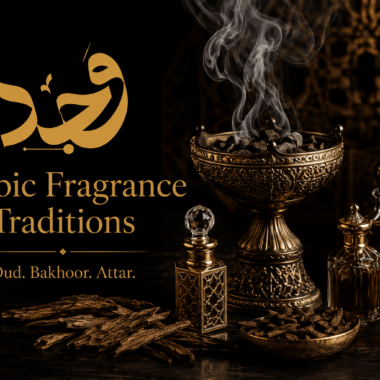
What Is Bakhoor? The Art of Arabic Incense
Bakhoor is a traditional Arabic incense made from wood chips soaked in oud oil, perfumes, and natural resins. Once dried, the chips are burned over charcoal or an electric burner, releasing warm, layered smoke. In particular, bakhoor carries deep cultural meaning across the Gulf, where it signals welcome, celebration, and care for guests. This post explains what bakhoor is, how it is used, and how its scent profile connects to fine fragrance.
What Bakhoor Actually Is
At its core, bakhoor starts with wood — often agarwood or a neutral base — that is soaked or coated in a blend of oud oil, florals, spices, and resins such as frankincense or amber. The mixture is left to cure, allowing the oils to penetrate the wood fully. As a result, each chip releases a complex, slow-building aroma when heated rather than burned directly with flame.
In contrast to incense sticks found elsewhere, bakhoor is rarely lit on its own. Instead, it sits on top of hot charcoal or a heating element, where gentle warmth coaxes out the fragrance gradually. Consequently, a single session of burning bakhoor can scent a room for hours, and the aroma often lingers in fabric and hair long after the smoke has cleared.
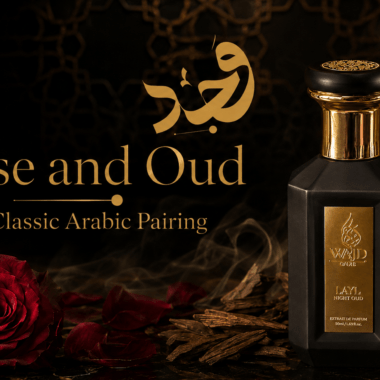
The composition varies widely by maker. Some blends lean toward rich, smoky woods. Others favor a lighter, sweeter profile built around rose, saffron, or amber. However, the common thread is always oud — the resinous heartwood that gives bakhoor its signature depth.
Bakhoor in Arabic Hospitality and Tradition
In Gulf households, burning bakhoor is rarely just about fragrance. It is a gesture of hospitality. When guests arrive at a majlis, the host often passes the incense burner around so each visitor can scent their clothing and hair before sitting down. Therefore, the act of offering bakhoor becomes a quiet signal of respect and welcome.
Weddings, religious holidays, and family gatherings all call for bakhoor. Meanwhile, many households burn it daily, simply to keep living spaces smelling clean and warm. The ritual marks transitions — the start of a weekend, the end of a workday, the arrival of guests — in a way that feels both practical and ceremonial.
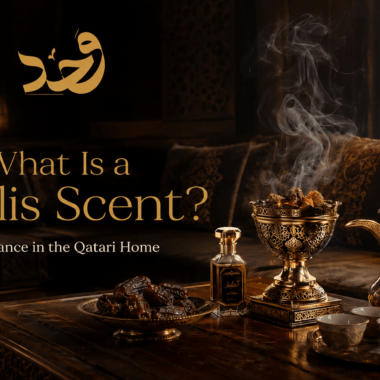
For example, in Qatar and across the wider Gulf, bakhoor often appears at the close of a meal alongside Arabic coffee and dates. The incense signals that the gathering is winding down, yet guests are still cared for until the moment they leave. That said, the custom is flexible enough to fit everyday life, not only formal occasions.
How Bakhoor Differs From Oud Oil and Perfume
People sometimes use the terms bakhoor, oud oil, and perfume interchangeably, but they serve different purposes. Oud oil is a concentrated extract distilled from agarwood, typically applied directly to the skin. Perfume, including an Extrait de Parfum, is a crafted blend of aromatic compounds designed to be worn throughout the day.
Bakhoor, on the other hand, is meant to be burned rather than worn. Its smoke scents rooms, clothing, and hair, creating an ambient atmosphere rather than a personal signature. In practice, many households use both: bakhoor to set the mood of a space, and a fine fragrance to carry that same warmth on the skin.
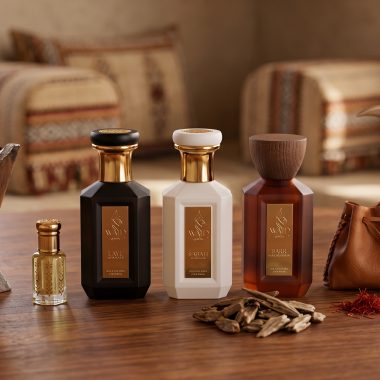
This is where the connection to perfumery becomes clear. The same oud, amber, and resin notes found in bakhoor often anchor sophisticated Extrait de Parfum compositions. A fragrance such as Night Oud Extrait de Parfum draws on that same smoky, resinous heritage, translating the spirit of bakhoor into something wearable.
The Burning Ritual and the Mabkhara
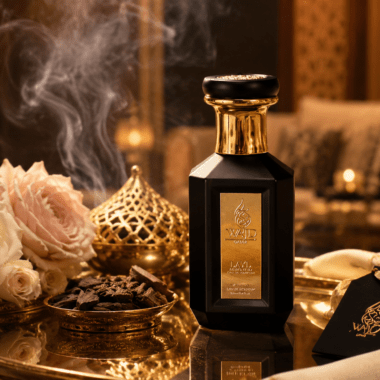
The traditional incense burner, known as a mabkhara, is central to the ritual. These burners come in many forms — ornate wood, brass, or ceramic vessels designed to hold burning charcoal safely while allowing smoke to rise and circulate.
To begin, a small piece of charcoal is lit until it glows evenly. The bakhoor chips are then placed on top, where the heat releases their fragrance slowly rather than all at once. As a result, the scent builds in layers: an initial waft of smoke, followed by deeper notes of wood, resin, and spice.
Several factors shape the experience:
- The quality and age of the oud used in the blend
- The type of wood chips chosen as a base
- The heat source, whether natural charcoal or an electric burner
- The length of time the bakhoor is left to smolder
Furthermore, the mabkhara itself becomes part of the ritual. Passing it from guest to guest, waving the smoke toward clothing, and pausing to enjoy the aroma are all part of a practice passed down through generations.
Regional Variations Across Qatar and the Gulf
Bakhoor is not a single fixed recipe. In Qatar, blends often favor a balance between smoky depth and floral lift, reflecting local taste and climate. In contrast, some neighboring regions lean toward heavier, more resinous profiles built around dense oud and amber.
Family recipes are often closely guarded, passed from one generation to the next with small adjustments along the way. Consequently, two bakhoor blends from neighboring households can smell distinctly different, even when both are described as traditional. This diversity is part of what makes the craft so rich — and why the connection between bakhoor and fine perfumery runs so deep. To understand more about its origins and composition, this overview of Arabic incense and its traditional uses offers useful background.
That same regional character carries through into modern fragrance design. A scent like Desert Leather Extrait de Parfum reflects the warmth and texture of Gulf landscapes, while Dawn Berry Extrait de Parfum shows how lighter, brighter notes can still carry that same sense of place.
Frequently Asked Questions
Is bakhoor the same as oud?
No. Oud is the resinous wood and oil used as a key ingredient. Bakhoor is the finished incense product, often containing oud alongside other resins and perfumes.
How long does bakhoor scent last in a room?
A single session can leave a noticeable aroma for several hours, and traces often remain in fabric and curtains for much longer.
Can bakhoor be burned without charcoal?
Yes. Many people now use electric incense burners, which heat the chips gently without an open flame, offering a more convenient alternative.
Why does bakhoor smell similar to certain perfumes?
Both often share core ingredients such as oud, amber, and resins. As a result, the warmth of bakhoor smoke and the depth of an oud-based Extrait de Parfum can feel closely related.
Discover how the spirit of bakhoor lives on in modern fragrance — explore the full collection at the WAJD Fragrances shop.