Independent houses make niche perfume in small batches and control their own formulas and ingredients. A licensing group produces designer perfume under a fashion brand’s name. It manufactures at high volume and distributes widely at lower average cost. The real difference is ownership, scale, and formula exclusivity, not simply price.
Niche vs Designer Perfume: The Core Difference
The niche vs designer perfume question comes up often in Doha, where duty-free counters stock both categories side by side. However, the difference runs deeper than shelf placement. Niche houses control their own formulas, ingredients, and release schedules directly. On the other hand, designer brands license their name to a fragrance conglomerate. That conglomerate handles production, marketing, and distribution at scale.
In practice, a niche house might release one fragrance a year in a limited run. In contrast, a designer license might launch six flankers in the same period. Each one is built to sell in department stores worldwide. Neither approach is inherently better. They simply serve different goals: one favours artistic control, the other favours reach.
Ownership is the clearest marker of the two. A perfumer, family, or small studio typically founds and runs a niche brand with direct creative control. By contrast, a licensing group manufactures designer perfume under license. In practice, the fashion house rarely touches the formula itself. That licensing group, often a large beauty conglomerate, handles sourcing, blending, and bottling instead.
Marketing budgets widen the gap even further. Designer perfume campaigns often rely on celebrity faces, global advertising, and seasonal launches timed to fashion weeks. Meanwhile, niche houses rarely advertise at this scale. Instead, they depend on word of mouth, specialty retailers, and a smaller, more attentive customer base. That difference in marketing approach shapes how each category grows over time.
How Production and Ingredients Set Niche and Designer Perfume Apart
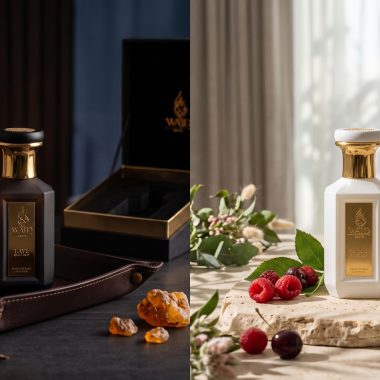
Ingredient sourcing separates the two categories further. Niche perfumers often use rarer raw materials — aged oud, natural resins, or single-origin florals. Small batch sizes justify the added cost. In contrast, designer perfume relies on synthesized aroma compounds that scale affordably across millions of bottles. This is not a quality judgment. Therefore, modern synthetics are stable, consistent, and often necessary for regulatory compliance.
Three practical differences tend to show up in the bottle itself.
- Concentration: niche houses frequently release Extrait de Parfum, the highest concentration available, while designer lines default to Eau de Toilette or Eau de Parfum.
- Batch size: niche runs are numbered in the thousands; designer runs number in the millions.
- Formula stability: niche formulas rarely change after launch; brands sometimes reformulate designer formulas for cost or regulation.
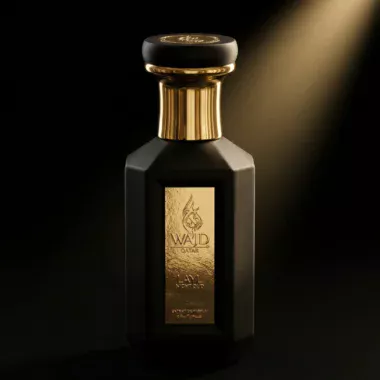
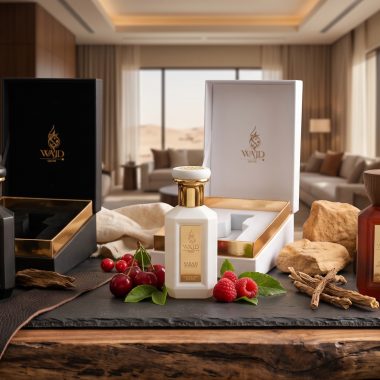
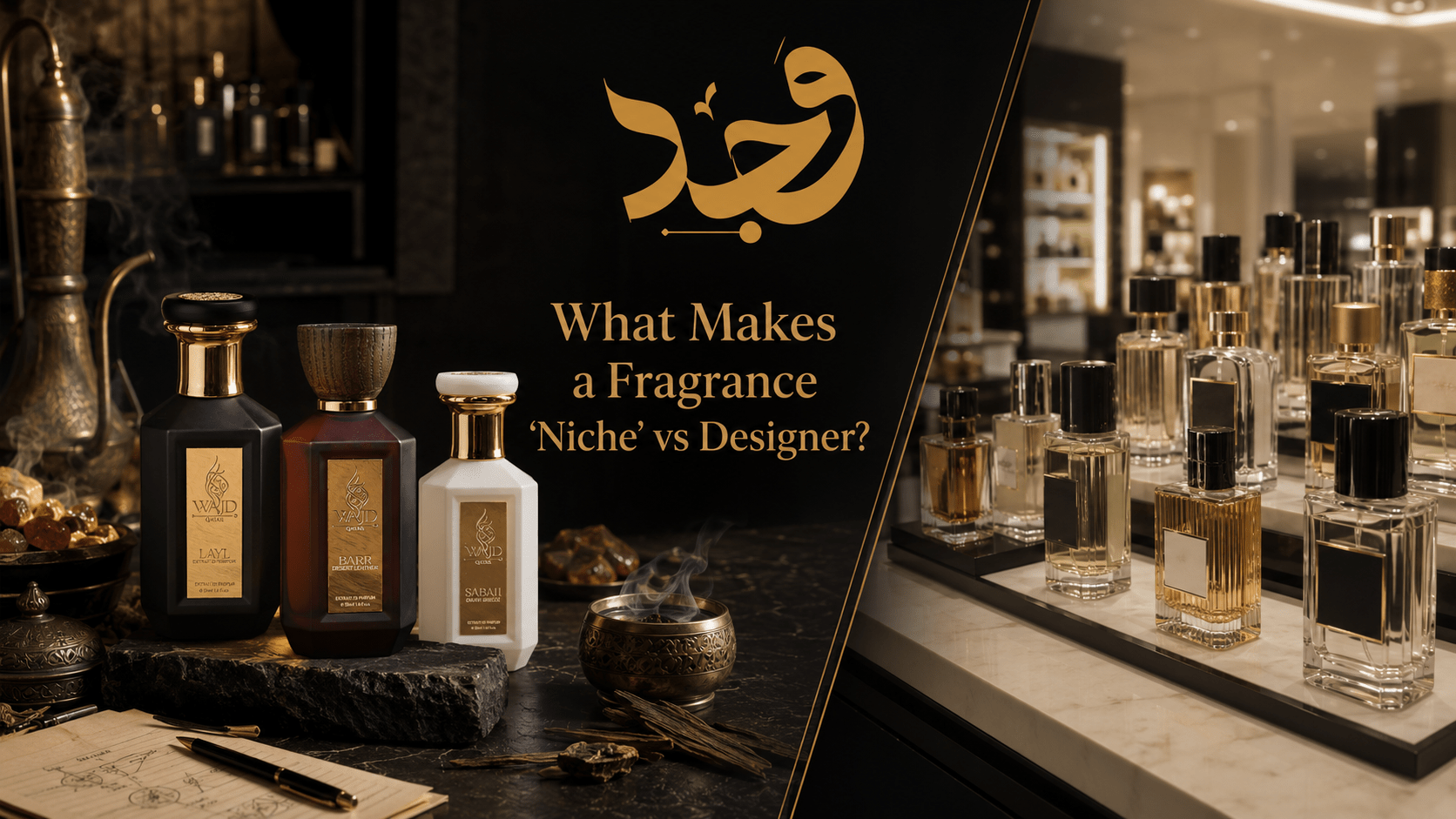
For example, WAJD LAYL Night Oud Extrait de Parfum follows the niche model closely. It’s small-batch, high concentration, and made in Qatar rather than licensed offshore. As a result, that combination is rare among fragrances sold at comparable price points.
Pricing and Availability
Price differences reflect these production realities rather than pure marketing. The global niche perfume market was valued at roughly $2.4 billion in 2024. That’s according to a market analysis by Data Horizzon Research. That figure is a fraction of the broader designer fragrance industry it sits alongside. That gap exists because niche production stays deliberately small. Meanwhile, designer perfume benefits from economies of scale that niche houses cannot access without losing the exclusivity that defines them.
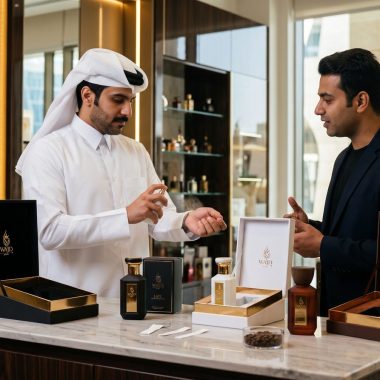
Availability follows the same logic. Designer perfume reaches airport duty-free counters, department stores, and online retailers within weeks of release. In particular, niche perfume often stays limited to select boutiques, brand websites, or direct orders from the maker. In Qatar, that means many niche releases are only available through a handful of specialty retailers or direct-to-consumer channels.
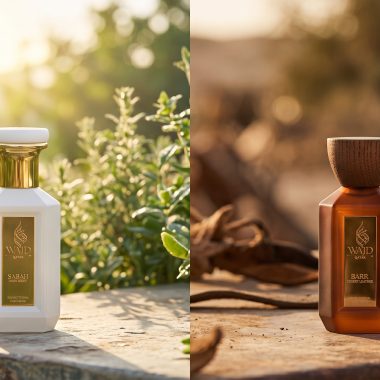
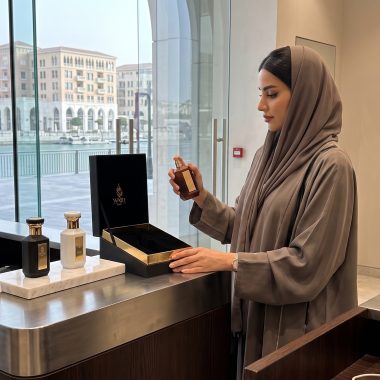
WAJD Fragrances is a luxury Extrait de Parfum brand made in Qatar. It sits closer to the niche model than the designer one. Formulas stay controlled in-house, concentration remains at Extrait level throughout the range, and the brand does not scale batches for mass retail. WAJD sells WAJD BARR Desert Leather Extrait de Parfum, for instance, directly rather than through mass retail channels. Furthermore, that approach is consistent with the niche model. That holds even though the brand is built in Qatar rather than Paris or Grasse.
In particular, buyers comparing niche vs designer perfume on price alone miss the point. A designer Eau de Toilette and a niche Extrait de Parfum are not really competing products. Concentration, batch size, and distribution model separate them long before price does. Consequently, the more useful question isn’t which category costs more. It’s which production model fits the buyer: wide availability, or scarcity and formula control.
Choosing Between Niche and Designer
For a Doha shopper standing between a duty-free counter and a boutique shelf, that framing simplifies the decision. In practice, choosing niche vs designer perfume comes down to what the purchase is for. A signature scent worn daily for years favours the niche model, since formula stability matters more than novelty. Meanwhile, a rotating collection built around trends and occasions fits the designer model better, where new releases arrive every season.
Frequently Asked Questions
Is niche perfume always more expensive than designer perfume?
Not always, but usually. Niche perfume typically costs more per bottle because of smaller batch sizes and higher-concentration formulas. However, some designer flanker releases cost similarly if they use costly packaging or limited-edition marketing.
Can a designer brand also produce niche fragrances?
Yes. Several fashion houses run a separate niche or exclusive line alongside their mainstream designer collection. Therefore, these lines usually cost more, use higher concentrations, and sell through fewer retail channels than the brand’s core range.
Does niche perfume last longer than designer perfume?
Longevity depends more on concentration than on the niche-versus-designer label itself. An Extrait de Parfum from either category will generally outlast an Eau de Toilette. Concentration, not brand category, drives how long a fragrance lasts on skin.
Explore WAJD’s Extrait de Parfum collection at the WAJD shop to see the niche model in practice.