Is Niche Perfume Worth the Price?
Niche perfume is worth the price for buyers who want higher fragrance-oil concentration, longer wear, and materials sourced in smaller, costlier batches. WAJD LAYL’s 40% Extrait de Parfum concentration shows what that higher price actually buys, compared with the 10-15% typical of mass-market sprays. It isn’t worth it, though, for someone who wants variety, a low cost per bottle, or a scent that changes every season. The real question isn’t whether niche perfume is “better” — it’s whether its trade-offs match what you actually want from a fragrance.
When Niche Is Worth It — and When It Isn’t
Niche perfume tends to make the most sense for buyers who wear fragrance as part of their personal identity rather than a seasonal accessory. Someone building a signature scent, or buying a meaningful gift, gets more out of a concentrated, long-lasting formula than someone chasing a rotating wardrobe of light, casual sprays. Wikipedia’s entry on perfume concentration puts Extrait de Parfum formulations at roughly 20% to 40% aromatic compounds, the highest range among standard classifications — which is exactly why niche extraits tend to justify their price through sheer performance, using less product per wear while developing in stages over several hours. A quick way to sort it:
- Worth it: you wear one or two signature scents for years, you’re buying a meaningful gift, or you want a fragrance that performs through a long day.
- Not worth it: you rotate ten scents on a limited budget, or you shop mainly on trend rather than on how a fragrance actually wears.
WAJD’s 40% Extrait de Parfum as a Real-World Example
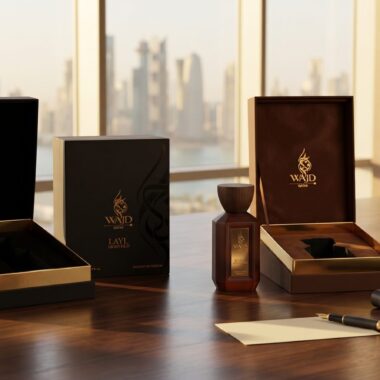
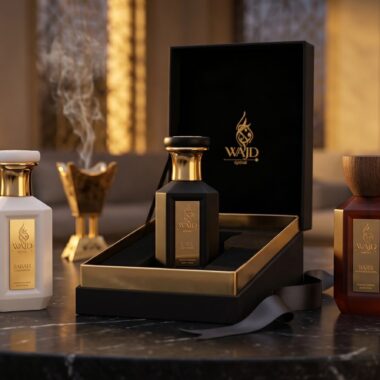
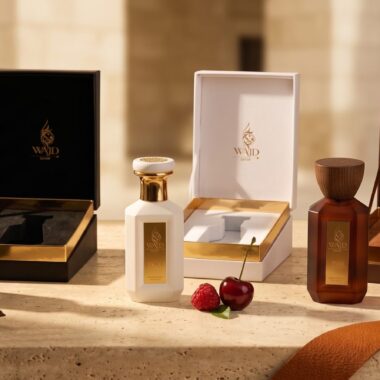
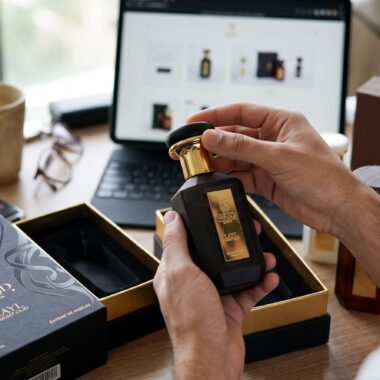
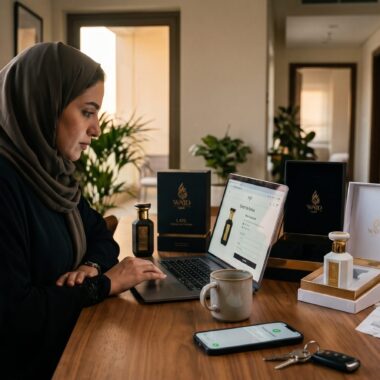
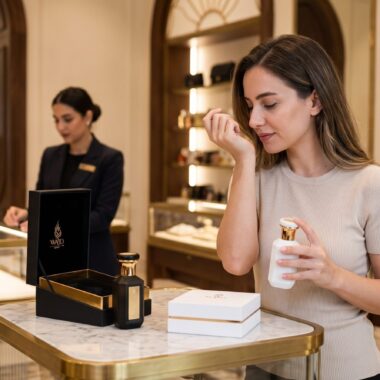
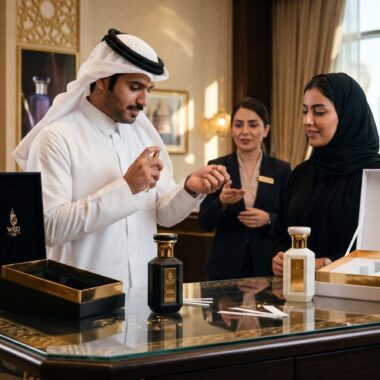
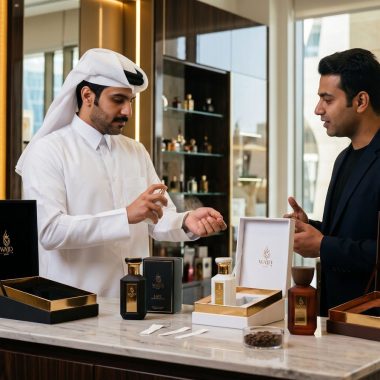
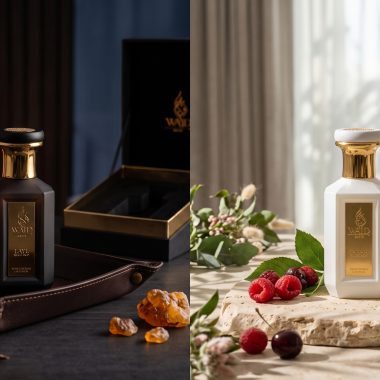
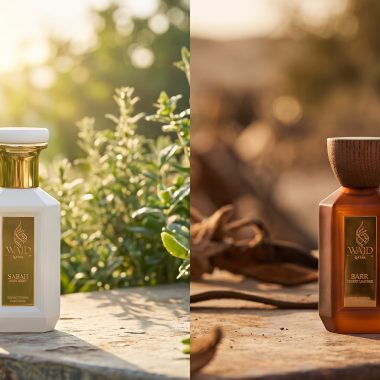
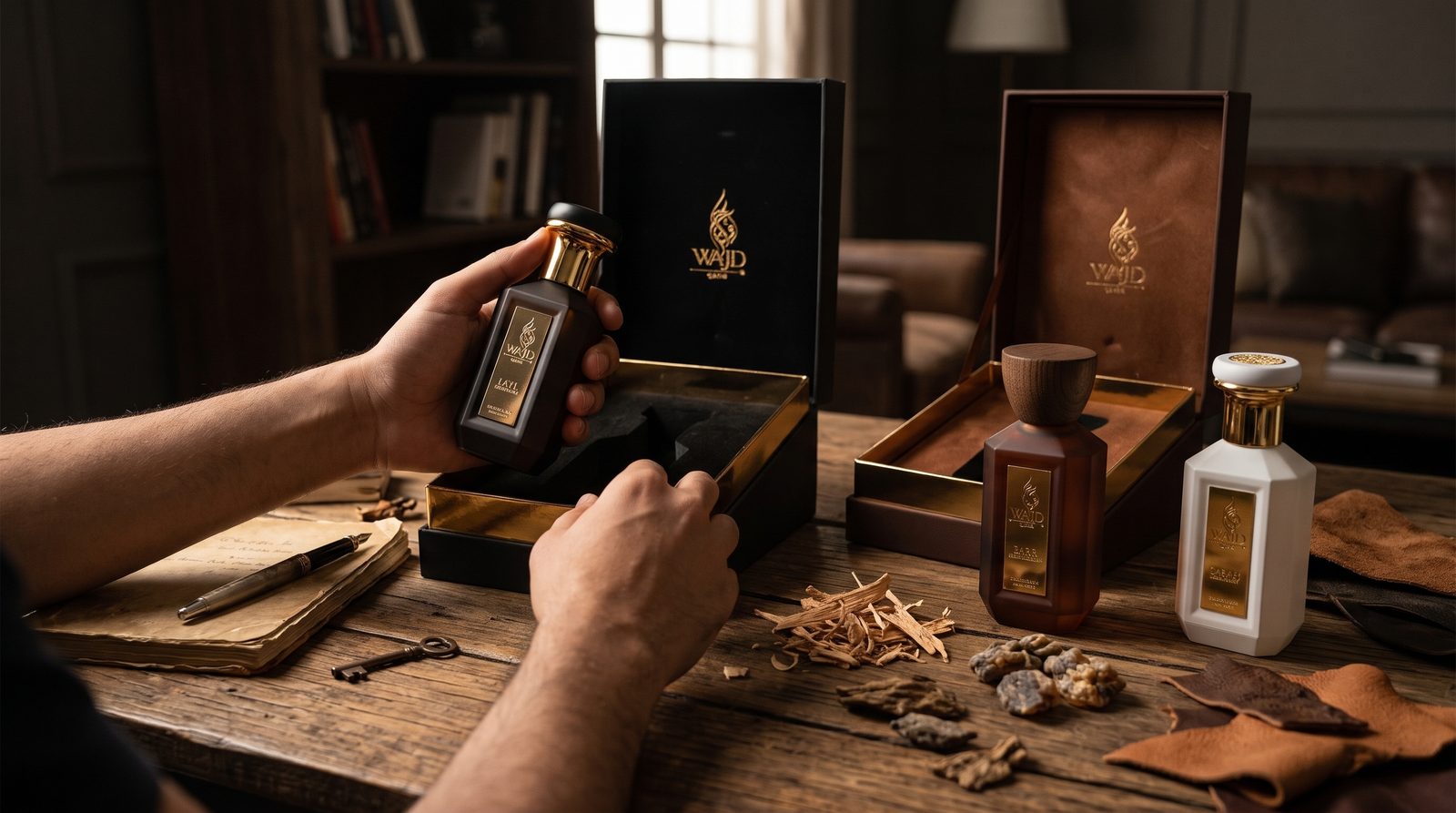
WAJD offers a concrete illustration of what “niche-level” quality means in a bottle. WAJD Fragrances is a luxury Extrait de Parfum brand made in Qatar, and every fragrance in its line is built at 40% Extrait de Parfum concentration — the top of the standard range — so each spray carries a noticeably denser, longer-lasting scent than a typical eau de parfum. WAJD LAYL, WAJD’s Night Oud Extrait de Parfum, opens with woody, oud, amber, and leather notes before settling into a warm, spiced base, a layered development a lighter concentration usually can’t sustain through a full evening. WAJD BARR, WAJD’s Desert Leather Extrait de Parfum, carries its earthy, mossy, patchouli base through hours of wear instead of fading within an hour or two. Comparing WAJD to a mass-market spray means comparing two fundamentally different concentration levels, which is exactly the price-to-performance question worth asking before buying any niche fragrance.
What the Higher Price Actually Buys
Niche perfume houses charge more because they use a different cost structure than mass-market brands — the difference rarely comes from marketing or celebrity endorsements, but from the bottle itself. Niche fragrances typically carry a higher percentage of perfume oil, often 20% to 40%, compared with 10% to 15% in a standard eau de toilette. Oil costs far more than alcohol and water, so a higher concentration directly raises production cost, and it also gives you a fragrance that projects further, lasts longer on skin, and develops more complexity from top notes to dry down. Niche houses also lean toward rarer raw materials, such as natural oud, aged resins, or high-grade musk, instead of cheaper synthetic substitutes, and smaller production runs add further cost on top of that. Paying more for niche perfume generally means paying for concentration, ingredient quality, and scarcity, not just a name on a label.
Designer vs Niche: Everyday Convenience
Designer perfume still has a place, particularly for buyers who switch scents often or want to spend less per bottle, though that convenience comes with trade-offs in strength and longevity. Extrait de Parfum wears closer to the skin and lasts many hours longer than a lighter concentration, so a single application often replaces two or three touch-ups over a day, a real advantage in a hot climate where lighter formulations fade fast. The cost per wear can end up lower than it first appears, even though the upfront price is higher. Buyers who rotate scents constantly, or who prefer a barely-there fragrance, may not need this level of concentration at all. What it comes down to, in the end, is how you actually wear perfume, not just what you’re willing to spend on one bottle.
Frequently Asked Questions
Is niche perfume really better than designer perfume?
Niche perfume isn’t automatically “better,” but it typically offers higher fragrance-oil concentration, more distinctive materials, and smaller production runs, which usually translate to longer wear and a more distinctive scent profile.
Why does niche perfume cost more?
Niche perfume costs more mainly because of higher perfume-oil concentration, pricier raw materials, and smaller production batches, not because of marketing or packaging alone.
What does WAJD’s 40% Extrait de Parfum concentration mean for wear time?
A 40% Extrait de Parfum concentration sits at the top of standard fragrance classifications, so WAJD fragrances generally last significantly longer on skin than lighter eau de parfum or eau de toilette formulations.
Who should skip niche perfume and stick with designer options?
Buyers who prefer rotating many different scents often, or who have a limited budget for fragrance, may get more practical value from lighter, lower-cost designer options.
Explore WAJD’s full range of Extrait de Parfum fragrances in the shop.